


A clear roofing explainer: What should a homeowner look for when choosing a roof inspector


Choosing a roof inspector is easier when you know what a thorough visit should include and what you should receive afterward. A roof inspector should explain the scope, examine relevant parts of the roofing system, document findings, and make clear whether recommendations are observations or proposed work. Use this guide to compare options without feeling rushed into a decision.
What should a roof inspector’s experience include?
Start by asking whether the person regularly inspects the kind of roof and issue you have. A roof inspector who works with residential roofs should be able to explain the materials and components involved in your home’s system in plain language. If your home has a low-slope or flat section, mention it when arranging the visit and ask whether it is included in the inspection.
Experience is useful, but it is not enough by itself. Ask who will perform the inspection, what areas they expect to review, and how they will explain what they find. You can also ask whether the company is licensed, bonded, and insured in the state where your home is located. In Oregon and Washington, check that the identifiers provided match the state’s records. SA Roofing’s Oregon identifier is OR# 152050 and its Washington identifier is WA# CLEARCW923BW.
Look for answers that are specific to your roof rather than broad promises. If the concern is a leak, for example, ask how the inspector will consider both the visible roof area and possible paths water could take before appearing indoors. A careful explanation can help you understand what the inspection can and cannot determine. If you are comparing roofing providers more broadly, SA Roofing’s overview of roof replacement and repair services is a starting point for discussing which type of assessment fits your concern.
What should a roof inspection cover?
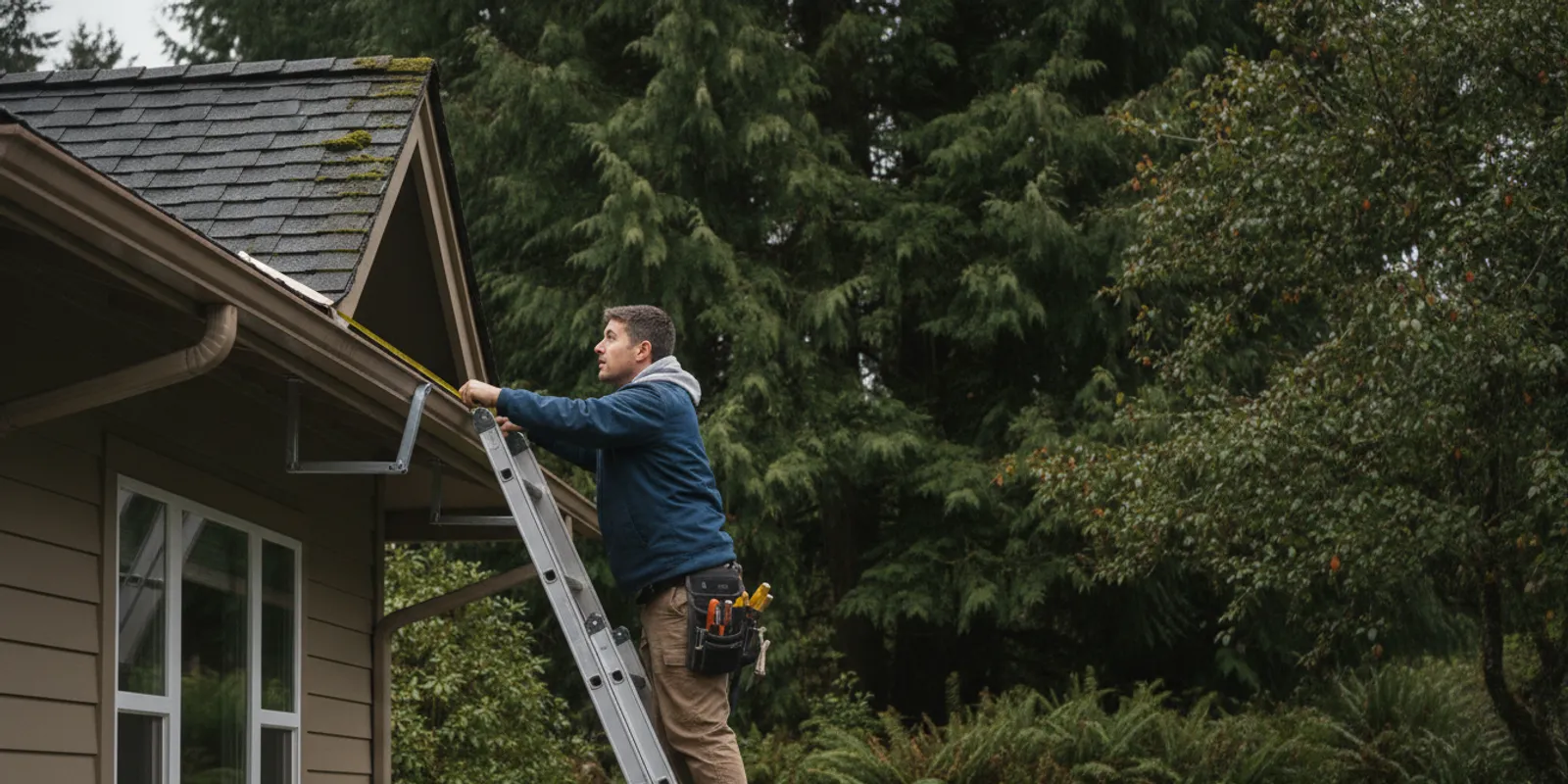
Before agreeing to a visit, ask for the inspection scope. A thorough assessment should consider the roof as a system, not just a single visible shingle. The National Roofing Contractors & Inspectors Association describes a professional roof inspection as examining the entire roofing system, including exterior materials and interior attic space for hidden leaks. Read its professional roof inspection guide.
The exact areas that can be checked depend on access, roof design, weather, and the reason for the visit. Ask whether the inspector expects to review:
Roof covering and visible wear, damage, or displaced materials.
Flashing and transitions around roof penetrations, walls, and other changes in plane.
Gutters and drainage areas that may show signs of water movement or blockage.
Accessible attic or interior areas when relevant to a leak or moisture concern.
Specific roof sections that concern you, such as a low-slope area or a recent repair.
Ask what cannot be inspected and why. Some areas may be unsafe or inaccessible on the day of the visit. A clear limitation is more useful than an assumption that every part of the roof was checked. You can also review SA Roofing’s residential roofing information to see the general context for a homeowner-focused assessment.
Try to get the scope in concrete terms rather than asking only whether the inspection is “complete.” For example, if you noticed a ceiling stain near an exterior wall, tell the inspector which room and when it appeared. Ask whether the visit will include checking the nearby roof transition and accessible interior areas, or whether it will focus on a particular section. This gives both sides a shared understanding of what the appointment is meant to answer.
What documentation should you expect?
Useful documentation helps you make a decision after the inspector leaves. Ask what the written summary will include and when you will receive it. At minimum, the report or notes should distinguish observed conditions from conclusions, identify the areas reviewed, and explain any limits on the inspection.
Photographs are helpful when they show the location and context of a concern. A close-up without an explanation may be hard to use later. Ask the inspector to connect each photo to a roof area and describe what it shows. If the concern is a leak, keep your own notes about when it appears, which rooms are affected, and any related ceiling or attic observations.
A useful record does not need to be complicated. It should answer three practical questions: What was seen? Where was it seen? What is recommended next, and why? If the report includes terms you do not recognize, ask for a plain-language explanation. Keep the report, photos, and any estimate together so you can refer back to the same evidence when reviewing a proposal or seeking another opinion.
What to compare | Clear inspection approach | What to clarify |
Scope | Names roof areas and system components to be reviewed | Which areas are excluded or inaccessible? |
Evidence | Uses labeled photos or specific written observations | Where exactly is each concern located? |
Conclusions | Separates visible conditions from likely causes | What is known, and what remains uncertain? |
Next steps | Explains whether monitoring, repair, or further assessment may be appropriate | What supports the recommendation, and what is optional? |
Costs and work | Provides a separate, understandable scope if work is proposed | What is included, excluded, and priced separately? |
Do not assume an inspection and a repair estimate are the same thing. An inspection describes conditions; a work proposal describes a possible response. If repair is recommended, ask for the proposed work in writing and compare it with the documented concern. SA Roofing’s roof estimate questions guide offers prompts for reviewing a project scope.
How can you separate an inspection from a sales conversation?
A roofing company may inspect a roof and also offer repair or replacement. That does not automatically make the inspection unhelpful, but you should understand the purpose of the visit and what the company is proposing. Ask whether the visit is an inspection, an estimate appointment, or both. Ask whether you will receive findings even if you do not authorize work.
A useful conversation gives you room to think. The inspector should explain why a recommendation follows from the observed condition, answer questions, and avoid presenting uncertainty as a guaranteed outcome. Be cautious if you are pressed to make an immediate decision, if the scope remains vague, or if a recommendation is not connected to documented findings. You can ask to review the written material after the appointment rather than decide while the inspector is at your home.
Ask these questions before you decide:
What did you inspect, and what could you not access?
Which findings need attention soon, and what evidence supports that assessment?
Can you separate the work that addresses the observed concern from optional improvements?
Will I receive photos and a written summary?
If you recommend repair or replacement, can I review a written scope before deciding?
What workmanship or material warranty information applies to the proposed work?
Is any additional assessment needed before you can make a confident recommendation?
Warranty details depend on the specific materials and work. Ask for the applicable terms in writing rather than relying on a general phrase. SA Roofing’s guide to what roofing warranties provide can help you prepare questions. For a simple distinction: an inspection report describes what was observed; an estimate describes a proposed response and its cost; a contract sets out agreed work and terms. Ask for each document that applies, and do not treat one as a substitute for another.
What should you do before the inspection?
You do not need to climb onto the roof. Note what you have seen from a safe location and gather information that may help the inspector focus the visit:
Write down when the issue began and whether it changes after rain or wind.
Take photos from the ground or indoors, if you can do so safely. Include a wider view as well as a close view so the location is clear.
Mark the room or area where you noticed staining, dripping, or dampness. Note whether the spot appears only under certain conditions.
Collect prior repair notes, roof documents, or photos if they are available. Do not delay an inspection just because you cannot find old paperwork.
Tell the inspector about roof sections or past work you are concerned about, including any recent changes you noticed.
Make a short list of questions so you can compare the answers and avoid forgetting a key concern during the visit.
Keep the appointment focused on your question. If you are deciding between a repair and a broader project, ask the inspector to explain the evidence for each option and what additional information would change the recommendation. SA Roofing also explains when to repair versus replace a roof.
How should you compare inspectors?
Compare the process, not just the promise of a quick answer. Ask each candidate the same questions about scope, access, documentation, recommendations, and whether an estimate is included. A straightforward comparison can reveal whether one visit is limited to a visible concern while another includes more of the roofing system.
Write down the answers in the same order for each conversation. A small comparison log could include the date, who will perform the visit, areas included, whether interior access is part of the plan, what written material you will receive, and whether proposed work is separate. If one inspector says an area cannot be accessed, note the reason and ask whether another safe method of assessment is possible.
- Before:
What did the company say it would inspect, and what did it ask you to prepare?
- During:
Were limitations explained, and could you ask questions?
- After:
Did you receive specific findings, photos, and clear next steps?
- Recommendation:
Is the proposed work connected to evidence and separated into understandable items?
Do not compare two recommendations as if they were identical when the inspections covered different areas. First check whether the scope and access were similar. Then compare the documented findings and the reasoning behind each proposed step. If one proposal is broader, ask which specific condition requires the added work and whether the report shows it.
If a report recommends repair, request a written scope and ask what parts of the roof it addresses. If it recommends replacement, ask what conditions support that broader recommendation and whether repair is a reasonable alternative. There is no need to approve work before you understand the findings. For additional context on signs that may merit follow-up, see SA Roofing’s guide to roof damage visible from the ground.
What if the roof inspector cannot confirm the cause?
Some problems are difficult to trace during one visit. Water can travel before it becomes visible, and the source may not be directly above an interior stain. Ask what the inspection established, what remains uncertain, and what further check could narrow down the cause. Keep any follow-up notes and photos with the inspection summary.
For example, if a stain appears on a bedroom ceiling after heavy rain, the inspector may find a visible concern in a nearby roof area but may not be able to confirm that it is the only source. Ask which observations support the suspected path, what areas were not accessible, and whether additional monitoring or a focused follow-up is appropriate. The goal is not to force certainty where the evidence does not support it. It is to understand the next reasonable step and what it is expected to clarify.
If the inspector identifies a safety concern or active water entry, ask what immediate protective steps are appropriate and whether a separate repair assessment is needed. Avoid attempting roof access yourself. You can review SA Roofing’s homeowner guide to roof repair or its roof leak response tips for practical next questions.
How do inspection findings connect to an estimate?
Once the observations are clear, a separate estimate can explain possible work. Read the description of the work alongside the inspection notes. Check whether the location and issue match, what materials or components are included, and what is excluded. If the proposal uses broad language, ask for a more specific description before comparing it with another estimate.
For instance, “address leak” does not tell you which roof area will be worked on or what the contractor plans to do. Ask the provider to identify the location and describe the proposed work in enough detail for you to understand its purpose. If a proposal includes more than one area, ask whether those items respond to separate findings. A clear scope helps you compare proposals on a like-for-like basis instead of choosing by a headline price alone.
Cost depends on the actual work and roof conditions, so avoid treating a general inspection as a guaranteed project price. A repair assessment may require additional information before a firm scope is possible. SA Roofing’s guides to what to document before discussing roof repair cost and requesting a roofing estimate can help you prepare for that next conversation.
What if recommendations differ between inspectors?
Different recommendations do not always mean that someone is wrong. Inspectors may have reviewed different areas, had different access, or interpreted uncertain evidence differently. Compare their written observations first, rather than comparing only the final labels such as “repair” or “replace.” Ask each person what facts led to the recommendation and what finding would change it.
If the difference remains substantial, you can ask for clarification or another assessment. Share the same background information with each provider, including when the issue occurs and any available photos or previous repair records. Ask each inspector to state the limits of their assessment. This makes it easier to see whether the disagreement is about evidence, scope, or the best response to the same condition.
You can also use SA Roofing’s homeowner guide to hiring a roofing service to organize broader questions about communication, scope, and proposed work. A sound decision does not have to happen during the inspection appointment; take time to review what you have been given.
Frequently asked questions
Does a roof inspector always need to enter the attic?
Not always. Access and relevance depend on the roof and the concern. Ask whether the attic or interior will be checked, and if not, why that part is outside the scope. A limitation should be stated rather than assumed away.
Should an inspection include a repair estimate?
Not necessarily. An inspection documents conditions, while an estimate describes proposed work and its cost. Confirm whether both are included before the appointment and ask whether you will receive the inspection findings even if you do not proceed with work.
Can I compare inspection findings from more than one roofer?
Yes. Ask each person to identify the areas reviewed and provide specific documentation. Comparing similar scopes makes differences in recommendations easier to understand. If the scopes differ, clarify that before comparing conclusions.
What should I do if I am not sure a replacement is needed?
Ask for the evidence behind the recommendation, the condition of the affected areas, and whether repair or monitoring is reasonable. Take time to review the written findings before making a decision. You can ask what additional information would help resolve remaining uncertainty.
A good roof inspection should leave you with a clearer understanding of your roof, the limits of what was checked, and the choices available. Review the findings, ask questions where needed, and choose the next step that fits your home.
Comments