


Roof Repair: A Complete Guide for Homeowners

When you discover a roof problem, one of the first questions is always, "How much is this going to cost?" A roof repair is often an unexpected expense, and you want to be sure you’re making a smart financial decision. This guide breaks down the costs so you can feel prepared. We’ll explain what factors influence the price, how to compare estimates fairly without getting misled, and when it makes more sense to invest in a full replacement. Our goal is to give you the clarity you need to move forward with a solution that fits your budget and protects your home.
Key Takeaways
- Be proactive with inspections
: You can spot most common roof problems, like missing shingles or granules in the gutters, from the ground, which helps you address them before they lead to costly water damage.
- Understand the limits of DIY
: While fixing one loose shingle might be okay, most repairs involving leaks, flashing, or structural issues should be left to a professional to avoid safety risks and costly mistakes.
- Choose the right pro and do your part
: A quality roof repair depends on hiring a licensed, insured contractor with clear pricing, and you can prevent future damage with simple upkeep like cleaning your gutters.
What Are the Most Common Roof Problems?
Your roof does a tough job, and over time, wear and tear is inevitable. While some issues are minor, others can be signs of a much bigger problem brewing overhead. Knowing what to look for can help you catch problems early before they turn into costly, stressful repairs. Most roof troubles fall into a few common categories, from obvious damage you can spot from the street to subtle signs that only appear inside your home. Let's walk through the most frequent issues we see on homes in the Portland area.
Missing or Damaged Shingles
One of the most frequent calls we get is about missing or broken shingles. After a big Portland wind or rainstorm, it’s not uncommon to find a few shingles have been torn off or cracked. This can also happen simply due to age or if the roof wasn't installed correctly in the first place. While a single missing shingle might not seem like a big deal, it exposes the underlayment of your roof to the elements. This creates a direct path for water to get in, which can lead to leaks and more significant damage down the road. It’s always best to address damaged shingles right away.
Roof Leaks and Water Damage
That dreaded water spot on your ceiling is more than just a cosmetic issue. Leaks or water stains inside your home are clear indicators that your roof’s defenses have been breached. Water intrusion is a serious problem that can weaken your home’s structure, ruin insulation, and lead to unhealthy mold and mildew growth inside your walls and attic. Finding the source of a leak can be tricky, as water can travel along rafters and beams before it finally drips down. If you see any signs of water damage, it’s a signal to get your roof inspected immediately.
Failing Flashing
Flashing is the thin metal material installed around anything that pokes through your roof, like chimneys, vents, and skylights. Its job is to create a waterproof seal in these vulnerable areas. Over time, however, flashing can rust, come loose, or be damaged by weather. Problems with flashing are a leading cause of roof leaks because they create a gap for water to seep into your home. Ensuring your flashing is properly installed and maintained is critical for keeping your roof watertight and protecting your home from moisture damage.
A Sagging Roof Deck
If you notice any part of your roof sagging or drooping, treat it as a serious warning sign. A sagging roof often points to a structural problem with the decking (the plywood layer beneath your shingles) or the rafters that support it. This is typically caused by prolonged water exposure that has rotted the wood, but it can also result from too much weight or simply old age. A sagging roof deck compromises the integrity of your entire roofing system and should be inspected by a professional without delay to prevent a potential collapse.
Granule Loss on Aging Shingles
Have you ever noticed tiny, sand-like particles in your gutters? Those are asphalt granules, and they serve as the protective top layer for your shingles, shielding them from sun and rain. As shingles get older, they naturally start to shed these granules. While a small amount of loss is normal, finding a lot of them in your gutters is a sign that your shingles are nearing the end of their life. An average shingled roof lasts 25-30 years with proper care, but once the granules are gone, the shingles become brittle and are much more susceptible to damage.
How to Check for Roof Damage (Safely)
You don’t need to climb a ladder to get a good idea of your roof’s condition. In fact, you shouldn’t. Walking on your roof is dangerous and can cause more damage. The best way to start is with a simple visual inspection from the ground. Grab a pair of binoculars for a closer look and walk the perimeter of your home. Knowing what to look for can help you catch small issues before they turn into major, expensive problems.
Inspect Your Roof From the Ground
Start by looking for the most obvious signs of trouble. Are there any shingles that are missing, cracked, or curling at the edges? Pay close attention to the valleys, which are the angles where two slopes of the roof meet, as these areas are prone to collecting debris and wearing out faster. You should also look for dark streaks or patches, which can indicate algae growth or moisture. It’s a good habit to inspect your roof and your home's exterior regularly, especially after a big Portland wind or rain storm. Catching a single missing shingle right away is much easier to deal with than the leak it could cause down the road.
Check Your Gutters for Clues
Your gutters can tell you a surprising amount about the health of your roof. When you clean them out, take a look at what you find besides leaves and twigs. A key thing to look for is an accumulation of coarse, black, sand-like granules. These granules form the top protective layer of your asphalt shingles, shielding them from the sun and weather. If you’re finding a lot of them in your gutters, it’s a sign that your shingles are aging and losing their protective coating. While some granule loss is normal, a sudden increase or a large amount of debris can indicate issues with your roof that need a closer look.
Look for Signs of Trouble Inside
Sometimes, the first clue that your roof needs attention isn’t outside at all. Head indoors and look up. Water stains on your ceilings or walls are a classic sign of a roof leak. These can look like yellowish or brownish circles or streaks. If you have an attic, carefully poke your head up there with a flashlight. Look for damp insulation, water stains on the wood of the roof deck, or any beams of light shining through. A musty smell in the attic can also point to hidden moisture. Don’t forget that a failing roof can even lead to higher energy bills as your home loses heat or cool air through a poorly insulated or ventilated space.
Consider Your Roof's Age and Recent Storms
Context is everything when it comes to your roof. Do you know how old it is? A typical asphalt shingle roof in the Pacific Northwest lasts about 20 to 30 years. If your roof is approaching that age, it’s more likely to develop problems. Think about recent weather, too. Has your neighborhood been hit by a severe windstorm or a heavy downpour? These events can cause sudden damage that needs immediate attention. Regular roof maintenance is crucial for preventing leaks, water damage, and other issues that can arise from our wet climate. Being aware of your roof's age and the stress it's been under can help you decide when it’s time to call for a professional inspection.
Should You DIY Your Roof Repair?
When you spot a loose shingle or a small drip in the attic, the temptation to pull out a ladder and fix it yourself is completely understandable. Tackling a home improvement project can be satisfying, and who doesn’t want to save a little money? But when it comes to your roof, the line between a simple fix and a serious problem is thinner than you might think. Your roof is your home’s first line of defense against the elements, and a small mistake can lead to big, expensive headaches down the road.
Before you decide to go the DIY route, it’s important to honestly assess the scope of the repair and your own comfort level. Some very minor issues can be handled by a savvy homeowner with the right tools and a healthy respect for heights. However, most roof problems require a professional touch to ensure they’re fixed correctly and safely. Let’s break down which repairs you might consider tackling yourself, which ones you should absolutely leave to the pros, and what a DIY mistake could really cost you.
Minor Repairs You Might Tackle Yourself
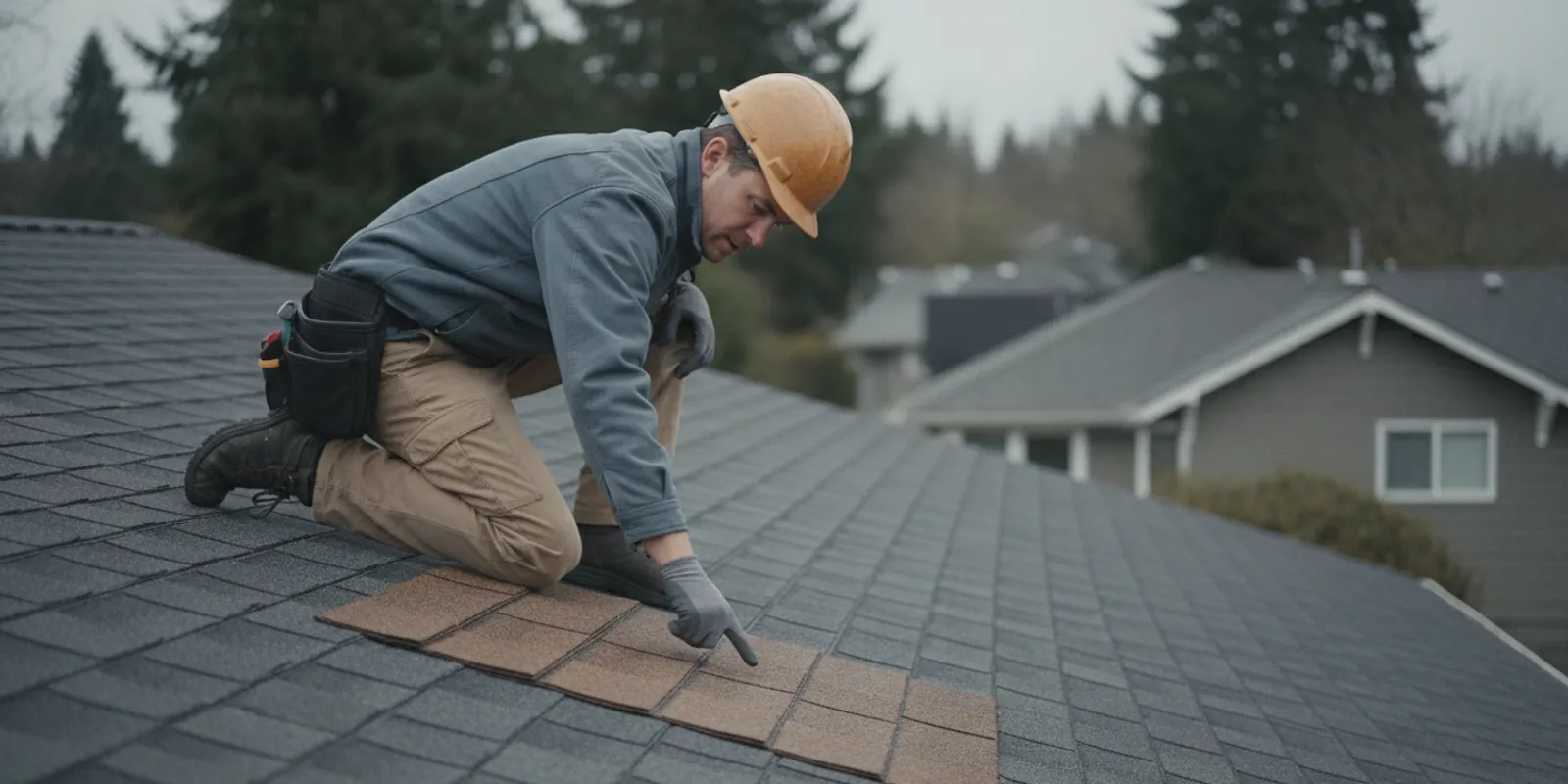
If you’re experienced with home repairs, comfortable working on a ladder, and have the proper safety equipment, a few small tasks might be within your reach. We’re talking about truly minor issues, like a single shingle that has lifted in the wind but isn’t torn or broken. In some cases, you can carefully lift the shingle and apply a new line of roofing sealant to secure it back down. If a shingle has come off completely but is still in one piece, you might be able to slide it back into place and secure it with roofing nails. These simple fixes can be an affordable way to address a small problem before it gets worse.
Repairs Best Left to the Pros
Now for the reality check. If the thought of getting on your roof makes you uneasy, that’s your first sign to call a professional. Your safety is always the top priority. Beyond that, any repair involving more than one or two shingles, active leaks, or visible water damage should be handled by an expert. This includes fixing flashing around chimneys, vents, and skylights, as these are complex areas where leaks often start. You should also leave any repairs on a steep-pitched roof or anything involving a sagging roof deck to the pros. Working on a roof is inherently dangerous, and professionals have the training and specialized safety equipment to do the job without risking injury.
The Real Cost of a DIY Mistake
A DIY roof repair might seem cheaper upfront, but a mistake can cost you far more in the long run. An improperly sealed shingle can allow water to seep underneath, leading to wood rot, mold growth in your attic, and damaged insulation. What started as a small spot can quickly turn into a major structural issue. Furthermore, a botched repair can void your roof’s warranty and may even complicate a future homeowner's insurance claim. A professional roofer not only has the expertise to diagnose the root cause of the problem but also provides a workmanship warranty on their repair, giving you peace of mind that the job was done right.
What to Expect During a Professional Roof Repair
Finding out you have a roof problem can feel overwhelming, but knowing what the repair process looks like can make it much more manageable. A professional contractor will guide you through a clear, structured process from the first call to the final cleanup. It’s all about identifying the problem correctly, choosing the right solution, and getting the work done efficiently so you can get back to your life without worrying about the roof over your head. Here’s a step-by-step look at what you can expect when you hire a pro.
The Initial Inspection and Quote
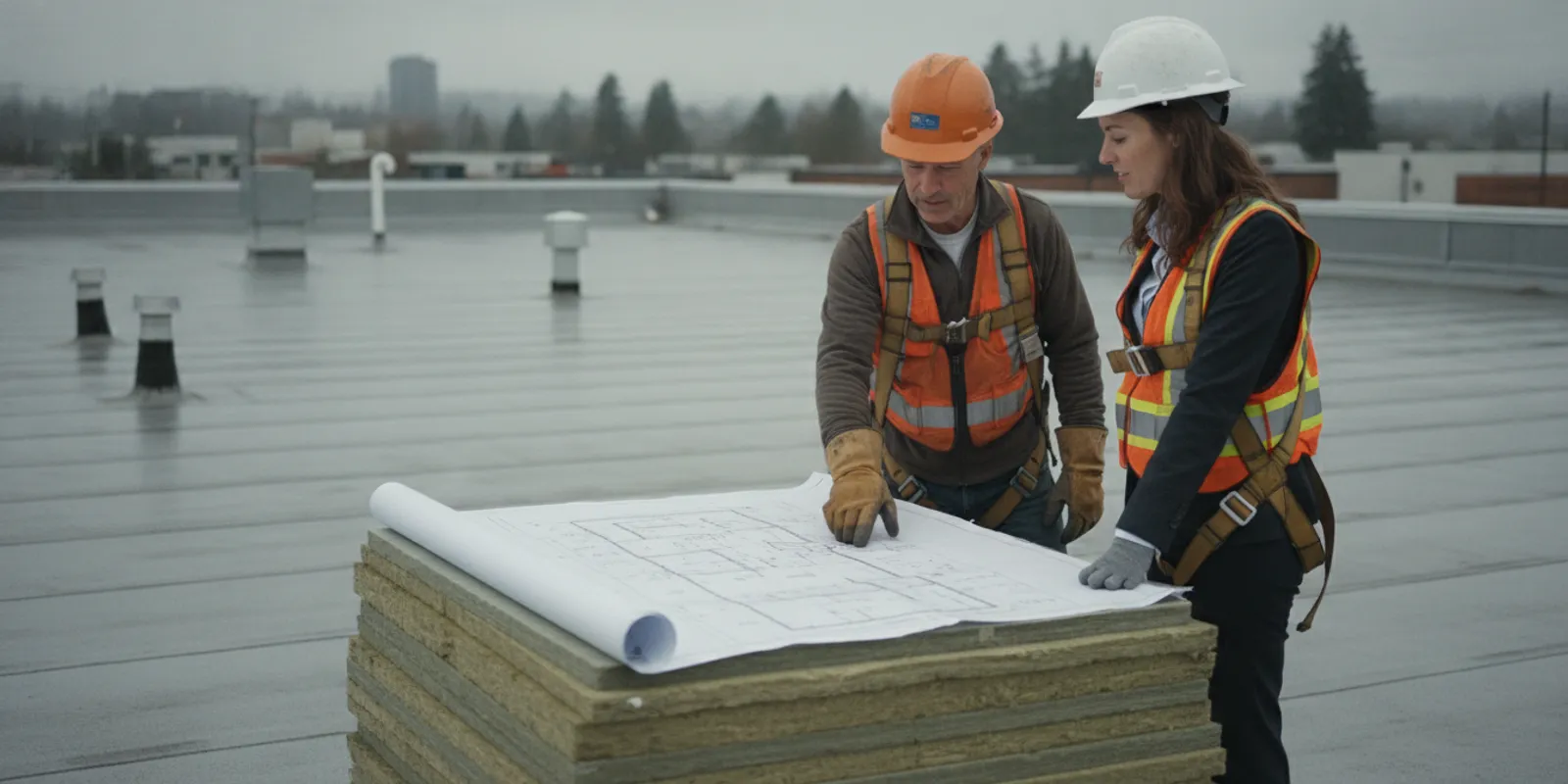
The first step is a thorough inspection. A roofing professional will come to your home to assess the damage, often checking the roof surface, the attic, and the interior of your home for signs of trouble. This isn't just a quick glance; it's a detailed evaluation to find the root cause of the issue. After the inspection, you’ll receive a detailed quote. It’s a good idea to get a few quotes to feel confident in your decision. When you have them, lay them out side by side. A trustworthy quote will do more than list a final price; it will break down the scope of work, labor, and materials. This helps you compare roofing estimates fairly and understand exactly what you’re paying for.
Choosing the Right Materials for Your Home
Your repair is only as good as the materials used to complete it. A professional quote should specify the brand and type of shingles, underlayment, and other accessories being used. This matters because performance and warranties can vary significantly between brands. If a price seems too good to be true, it might be a red flag. An unusually low cost could mean the contractor is using subpar materials or cutting corners on the installation, which can lead to more problems down the road. A quality contractor will be transparent about the materials they recommend for your specific home and climate, ensuring your repair is built to last.
Understanding the Repair Timeline
One of the most common questions homeowners ask is, "How long will this take?" The good news is that most small roof repairs can be completed in a single day, minimizing disruption to your routine. For more extensive damage, the timeline might be longer, but your contractor should give you a clear and realistic schedule before work begins. They should also communicate with you throughout the process, letting you know if anything unexpected comes up. A seasoned professional will be able to show you a portfolio of their work, giving you confidence in their ability to complete the job efficiently and effectively.
How Much Does Roof Repair Cost?
Talking about money can be tricky, but when it comes to your roof, knowing what to expect is the first step toward a stress-free fix. The cost of a roof repair can vary quite a bit, depending on the size of the problem, the materials used, and the complexity of the job. While the national average cost for a roof repair hovers around $1,000, that number doesn’t tell the whole story. A simple fix might only cost a couple hundred dollars, while a more serious issue could run into the thousands.
The key is to understand what factors influence the price so you can feel confident in the estimate you receive. It’s not just about the final number; it’s about the value and peace of mind you get from a job done right.
What Goes Into a Roof Repair Estimate?
When a contractor hands you an estimate, it’s more than just a price tag. It’s a detailed plan outlining exactly what they intend to do. A good estimate should clearly break down the costs for labor, materials, and any necessary permits. It will also define the scope of work, specifying whether it’s a simple patch, a partial replacement of a section, or something more involved. Look for details like the type of shingles being used, if new flashing will be installed, and whether old, damaged materials will be torn off and disposed of. A transparent quote leaves no room for surprises, giving you a clear picture of where your money is going.
The Cost Difference: Minor vs. Major Repairs
Not all roof problems are created equal, and their repair costs reflect that. Minor repairs are the most common and thankfully, the most affordable. Think replacing a few missing shingles after a windstorm, patching a small leak, or resealing the flashing around a chimney. For these types of jobs, you can generally expect to pay between $200 and $650. Major repairs, on the other hand, address more significant issues. This could involve fixing a large area of water damage or repairing a sagging roof deck. These projects are more intensive, so the cost of roofing can range from $550 to over $3,000.
How to Compare Roofing Quotes Fairly
Getting a few different quotes is a smart move. It helps you understand the typical price range for your project and find a contractor you trust. When you have the estimates in hand, resist the urge to just look at the bottom line. Instead, put them side by side and compare the scope of work. If one quote is significantly cheaper, find out why. It might be because they’re using lower-quality materials or skipping a crucial step, like replacing the ice and water shield. Don’t be afraid to ask a contractor to add an item to their bid so you can make a true apples-to-apples comparison. This ensures you’re choosing based on value, not just price.
How to Choose the Right Roofing Contractor
Finding the right person for the job is just as important as choosing the best shingles. A great roofing contractor makes the entire process feel straightforward and stress-free, while the wrong one can lead to costly mistakes and headaches. Your goal is to find a partner you can trust to protect your home. To help you find a reliable pro in the Portland area, focus on these four key areas.
Check for Licensing, Insurance, and Credentials
This first step is all about protecting yourself. A reputable roofing contractor should have all the required licenses to work in your area. In Oregon, you can and should verify a contractor's license with the Construction Contractors Board (CCB). This confirms they are a legitimate business that meets state requirements.
Insurance is just as important. The contractor should carry both general liability insurance and workers' compensation. Liability insurance protects your property from damage during the project, while workers' compensation covers their crew in case of an accident. Without it, you could be held liable. Always ask for proof of insurance before signing a contract.
Look for Clear, Transparent Pricing
When you start getting estimates, it’s tempting to just look at the final number. However, the cheapest bid is rarely the best value. A trustworthy contractor will provide a detailed, transparent quote that breaks down all the costs, including materials, labor, permits, and cleanup.
When you have a few estimates, put them side by side and compare the scope of work, not just the total price. One bid might seem higher because it includes higher-quality underlayment or a more thorough cleanup plan. These differences are what reveal the true value. Vague estimates can hide shortcuts, so insist on clarity. You deserve to know exactly what you’re paying for.
Understand the Warranties They Offer
A new roof is a major investment, and a good warranty provides peace of mind that your investment is protected. You'll typically encounter two types of warranties: one for the materials and one for the workmanship. The material warranty comes from the shingle manufacturer and covers defects in the products themselves.
The workmanship warranty is provided by the contractor and covers installation errors. This is a critical indicator of a contractor's confidence in their own work. Ask for details on the workmanship warranty in writing. A company that stands behind their work and offers a clear, long-term guarantee adds real value and shows they are committed to quality.
Read Customer Reviews—The Right Way
Online reviews are a great starting point, but it helps to read them with a strategy. Instead of just looking at the star rating, look for patterns in what past customers are saying. Do multiple reviews mention the crew's professionalism, clear communication, or how clean they left the job site? These details paint a much clearer picture of the customer experience.
You can start by asking friends or neighbors for recommendations, then check reviews on platforms like the Better Business Bureau. Also, pay attention to how a company responds to negative feedback. A contractor who addresses criticism professionally and offers a solution shows they care about customer satisfaction, which is a very good sign.
Will Homeowner's Insurance Cover Roof Repair?
Figuring out if your homeowner's insurance will foot the bill for a roof repair is a common question, and the answer usually depends on what caused the damage in the first place. Insurance is designed to protect you from sudden and accidental events, not from the slow march of time. So, while a leak from a massive windstorm might be covered, a leak from a 25-year-old roof that's simply worn out probably won't be. It all comes down to the fine print in your specific policy.
What Your Policy Might Cover
Most standard homeowner's insurance policies provide coverage for roof damage caused by specific events, often called "perils." These typically include things like fire, wind, hail, or the weight of snow and ice. So, if a tree branch falls on your roof during a classic Portland storm, you're likely in good shape. As roofing experts point out, homeowner's insurance often covers roof repairs when the damage is from a storm or another covered event. However, policies almost never cover damage resulting from old age, neglect, or lack of maintenance. That’s why keeping your roof in good condition is so important; it protects your home and ensures your insurance is there for you when you truly need it.
Tips for a Smoother Insurance Claim
Dealing with an insurance claim can feel overwhelming, but a little preparation goes a long way. Before you even file, it helps to have a general idea of what a fair repair price looks like. Doing your own research helps you understand what a reasonable cost for the work might be. From there, it's smart to get multiple quotes from different contractors to see how they stack up. When you have a few estimates in hand, make sure you’re comparing them fairly. As Peterson Roofing advises, you need to compare apples to apples. If one bid seems much lower, check if it leaves out critical components like new flashing or ice and water shield. A thorough contractor will include everything needed for a lasting repair.
Repair or Replace? How to Decide
Deciding between a roof repair and a full replacement is one of the biggest choices a homeowner can face. A repair might solve the immediate problem, but is it just a temporary fix? A replacement is a major investment, but it offers long-term security and peace of mind. The right answer depends on a few key factors: the age of your roof, the extent of the damage, and your long-term plans for your home. Thinking through these points will help you make a confident, informed decision instead of a reactive one.
Key Signs It's Time for a Replacement
While a few missing shingles after a windstorm can often be repaired, some issues point to a roof that is failing system-wide. If your asphalt shingle roof is over 20 years old, it’s already nearing the end of its expected lifespan, and replacement is likely on the horizon. You should also look for widespread damage, like shingles across different areas of your roof that are curling, cracking, or have significant granule loss. Another major red flag is a sagging roof deck. If you notice a droopy or spongy look to your roofline, it’s a sign of a serious structural issue that a simple patch can't fix. A professional inspection is the only way to know for sure what your roof needs.
Comparing the Costs: Repair vs. Replacement
A repair will almost always cost less upfront. The national average cost of a roof repair is around a thousand dollars, though minor fixes can be much less. However, if your roof is old and requires frequent service, those repair bills can add up quickly. It’s often more cost-effective in the long run to invest in a replacement rather than spending money on repeated fixes for a failing system. When you get estimates for a replacement, don’t just compare the final price. Look closely at the scope of work, the quality of materials being used, and the warranties offered. A suspiciously low bid often signals that a contractor is cutting corners, which will only cost you more down the road.
How to Prevent Future Roof Damage
After going through a roof repair, the last thing you want is a repeat performance. The good news is that you can play a huge role in extending your roof’s life and preventing future problems. Proactive care is always less stressful and more affordable than reactive repairs. By staying on top of a few key tasks, you can protect your home and your investment for years to come.
Most preventative maintenance falls into three categories: simple tasks you can handle yourself from the ground, seasonal care tailored to our Pacific Northwest climate, and periodic checks from a professional. You don’t need to be a roofing expert to make a difference. A little bit of attention goes a long way in stopping small issues from turning into major headaches. Regular upkeep helps you avoid common problems like leaks, water damage, and rot, ensuring your roof remains a sturdy shield for your home. It’s all about creating a simple routine that keeps your roof in top shape, season after season.
Simple Maintenance You Can Do Yourself
You can do a lot to protect your roof without ever setting foot on a ladder. One of the most effective things you can do is keep your gutters clean. When gutters get clogged with leaves and debris, rainwater can back up and seep under your shingles, leading to rot and leaks. Aim to clean them out twice a year, in the spring and fall. While you’re at it, take a look at the trees around your house. Overhanging branches can scrape against your shingles and wear them down, and heavy limbs can cause serious damage if they fall during a storm. Learning how to properly trim back branches so they are at least six feet away from your roof is a smart, preventative move.
Seasonal Care for Your PNW Roof
Living in the Portland area means our roofs face a unique set of challenges, namely, a whole lot of rain and moss. Creating a seasonal care plan is key. Before the fall rains begin, make sure your gutters and downspouts are completely clear to handle the coming downpour. In the spring, after the winter storms have passed, do a visual inspection from the ground. Look for any signs of trouble that might have appeared over the winter. Spring is also the time to address any moss or algae, as the damp conditions in the PNW create a perfect breeding ground. Gently removing moss can prevent it from trapping moisture against your shingles and causing them to deteriorate over time.
The Value of a Professional Inspection
While DIY checks are great, they can’t replace a trained eye. A professional roofer can spot subtle signs of wear and tear that aren't visible from the ground. We recommend getting a professional inspection every few years, or after any major storm. An expert can assess the condition of your shingles, check the flashing around chimneys and vents, and identify potential issues before they become costly emergencies. A reputable contractor will give you an honest assessment of what your roof truly needs, not a high-pressure sales pitch for a replacement you don’t need yet. When you hire a pro, make sure they are a licensed contractor with proper insurance. This protects you and ensures the work meets local standards.
Frequently Asked Questions
How often should I have my roof professionally inspected? A good rule of thumb is to have a professional look at your roof every three to five years. However, you should also schedule an inspection after any major weather event, like a severe windstorm or an unusually heavy snowfall. Think of it like a checkup; it’s a small, proactive step that helps you catch minor issues before they have a chance to become expensive emergencies.
My roof is old but isn't leaking. Do I need to worry about it? Yes, it’s smart to be proactive. A leak is often one of the last signs that a roof is failing. An older roof, even without leaks, may have other problems like widespread granule loss, brittle shingles that could fail in the next storm, or failing flashing. Addressing an aging roof on your own terms is always less stressful and more cost-effective than dealing with an emergency replacement after a leak has already caused damage inside your home.
Is moss on my roof really a big deal? It is, especially here in the Pacific Northwest. Moss acts like a sponge, trapping moisture against your shingles. This constant dampness can accelerate the deterioration of the shingles, leading to curling, rot, and eventually, leaks. While it might seem like just a cosmetic issue, letting moss grow unchecked can significantly shorten your roof's lifespan and is a problem best addressed sooner rather than later.
Can a small leak really cause that much damage? Absolutely. The water spot you see on your ceiling is just the end of the journey. Before that, water has likely seeped through your roof deck, soaked your attic insulation (which ruins its effectiveness), and trickled along wooden beams. Over time, this hidden moisture can lead to wood rot, which compromises your home's structure, and can create the perfect environment for unhealthy mold to grow within your walls.
One of my quotes is much cheaper than the others. Is that a red flag? It can be. While it’s tempting to go with the lowest price, a significantly cheaper quote often means something is missing. The contractor might be using lower-quality materials, they may not be fully licensed and insured, or they might be planning to cut corners, like placing new shingles over old ones instead of doing a proper tear-off. A quality estimate is detailed for a reason, so compare the scope of work and materials listed, not just the final number.

Comments