


Roof Estimate Guide: Questions to Ask Before You Approve

A roof estimate can be difficult to compare if it does not explain what work is included and what assumptions shape the recommendation. Before approving a roof estimate, ask the contractor to clarify the scope, materials, possible extra work, and next steps in plain language. These questions help Portland metro homeowners make an informed choice without relying on a number alone.
Why should you clarify an estimate before approving it?
An estimate is more than a total. It is a description of the work a contractor believes your roof needs, the materials and installation steps proposed, and the conditions the contractor has assumed. If those details are unclear, two estimates may describe different projects even when their totals look comparable.
Asking questions is not a way to challenge a contractor or demand a particular answer. It gives you a chance to understand the recommendation, identify items that need follow-up, and decide whether the proposal matches your needs. A clear discussion should leave you knowing what is included, what is excluded, and how the contractor will handle questions if the roof conditions differ from what was visible during the assessment.
If you are still deciding between repair and replacement, first review the signs that can help frame that conversation in our guide to when to replace or repair a roof. An estimate should respond to the condition of your roof, not assume that every homeowner needs the same solution.
What work does the roof estimate include?
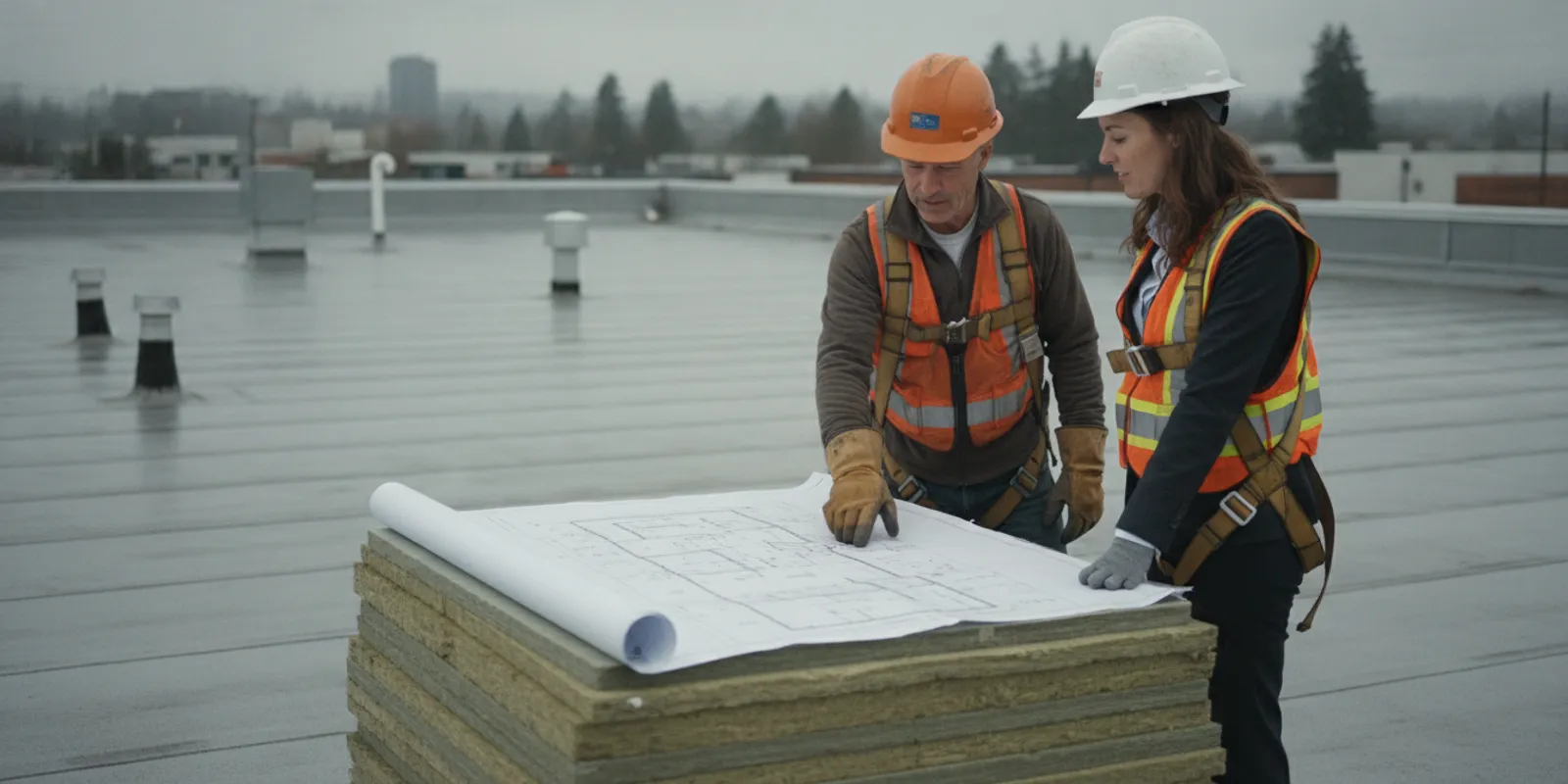
Start by asking the contractor to walk through the scope from beginning to end. A proposal should make it possible to picture the work, even if you do not know roofing terms. Ask what will be removed, what will be installed, and which areas of the home are part of the project.
- Removal:
What existing roofing material is included in the removal, and how will debris be handled?
- Installation area:
Does the scope cover the whole roof, a specific slope, or only selected sections?
- Roof details:
Which edges, valleys, penetrations, and transitions are included in the work?
- Related components:
Are flashing, vents, underlayment, or other roof components part of the described scope? If not, what is the plan for them?
- Cleanup:
What cleanup is included, and how will the crew protect the areas around the home?
Do not assume a component is included simply because it is near the roof or appears in a conversation. Ask the contractor to point to the written description that covers it. If the proposal uses broad phrases such as “roofing work” or “as needed,” ask what those phrases mean for your specific home.
Scope can also vary with roof shape and access. If you want more background on the parts of a roof that may appear in a proposal, see this overview of roofing terms and conditions and our practical guide to what roof underlayment does.
Which materials and installation details should you confirm?
Ask for the proposed roofing material to be identified clearly, including the product line or type when that information is available. If the estimate lists options, ask what changes between them. You may want to understand the appearance, care needs, and installation considerations rather than choosing based on a label alone.
Confirm whether the proposal describes the related materials and installation steps that matter to your project. These can include underlayment, flashing, ventilation components, and how the roof edges or penetrations will be addressed. The right details depend on the home and the roof design. A contractor should explain why the listed approach fits the work being proposed.
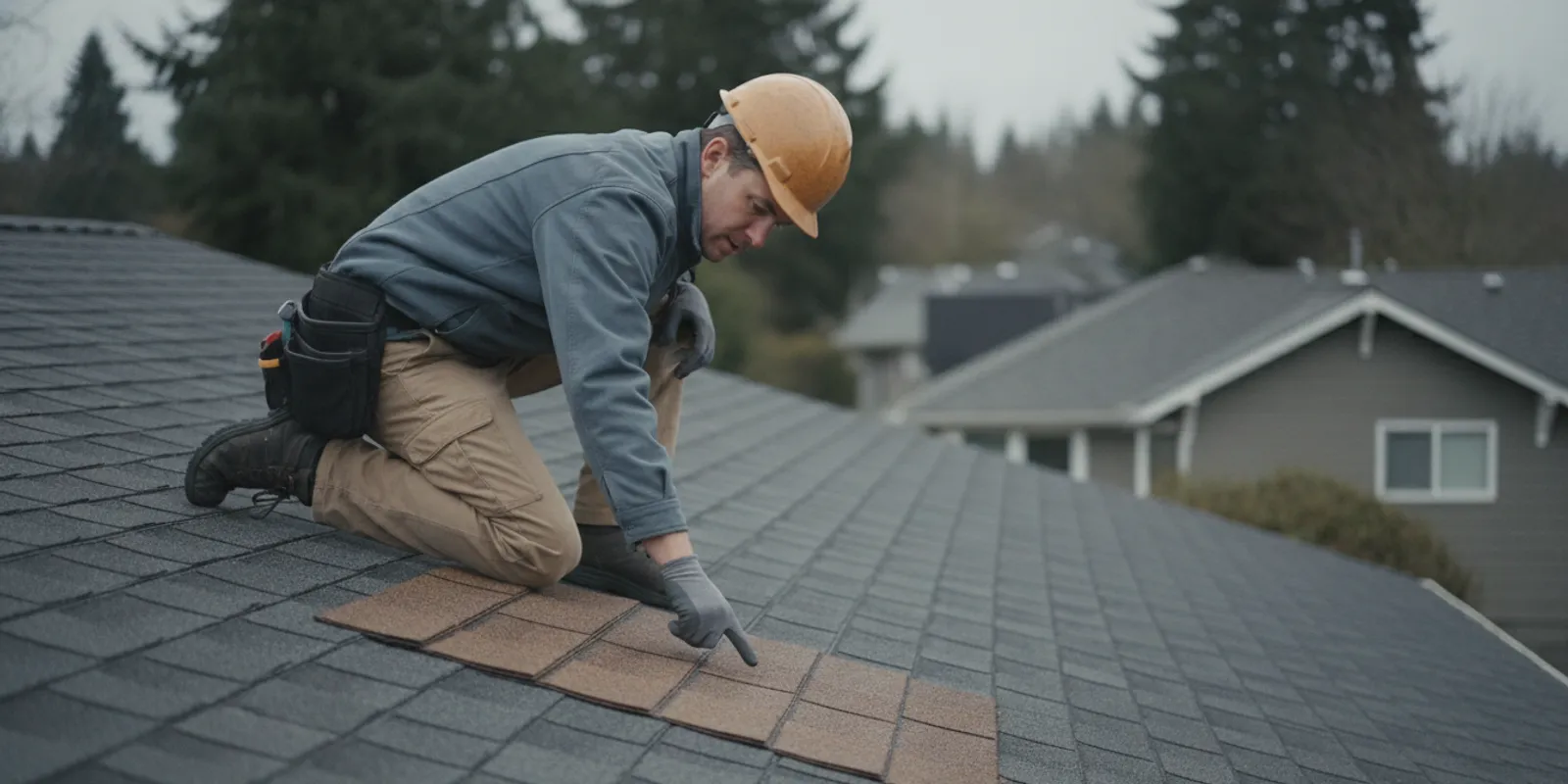
When comparing options, ask the contractor to distinguish between a product choice and a scope change. A different shingle, for example, may affect the material selection, while adding work on a roof feature changes what the crew is expected to do. Our homeowner guide to choosing roofing shingles in Portland can help you prepare questions about shingle options. For more on how installation layers fit together, read the asphalt roofing installation guide.
Try asking the contractor to explain one line item at a time. For example: “This estimate names the shingle but not the underlayment. Is the underlayment included, and can you show me where it appears in the written scope?” That question is specific without assuming the work was omitted. If an item is included under a broader description, ask the contractor to make that connection explicit in the proposal so you can compare it accurately with another bid.
What assumptions or unknowns could change the work?
A contractor reviews what can be seen and assessed during the estimate process. Some conditions may not become clear until existing materials are removed or a concealed area is accessible. Ask what the estimate assumes about those areas and what would happen if the assumptions prove incorrect.
Useful questions include:
Which parts of the roof could not be fully assessed during the initial visit?
What kinds of concealed conditions could affect the work?
How will the contractor document an unexpected condition?
Will the contractor explain the proposed response and any change to the scope before proceeding?
Who should you contact if you have a question about a proposed change?
Ask how a change is communicated and documented. You should understand whether you will receive an updated description of the work and how you can review it. Do not rely on a verbal assumption if the written proposal leaves an important item open. Request clarification in writing so you and the contractor are referring to the same information.
This is also a useful time to ask how the contractor distinguishes the work that is included from optional or conditional work. A clear explanation can help you understand what the quoted scope covers without treating an uncertain condition as a guaranteed outcome.
Consider asking for a simple sequence: what the contractor expects to find, what would count as a change from that expectation, and how you will be contacted if it happens. You might also ask whether work on an unexpected item would wait for your review of the change. The point is not to predict every condition in advance. It is to understand the communication process before you are asked to make a decision in the middle of the project.
How should you compare the costs in two roof estimates?
Compare the written work descriptions before comparing totals. A lower or higher total by itself does not tell you whether the proposals cover the same materials, removal, components, cleanup, or assumptions. Put the key details side by side and ask each contractor to explain anything that does not match.
For example, one proposal may describe removal and replacement across the full roof, while another may address only a portion or leave related components unspecified. Those documents are not yet an even comparison. Ask what explains the difference, and request an updated written description if the scope needs to be made more specific. You do not need to know the correct technical answer before asking; the contractor should be able to explain the recommendation in terms you can follow.
Keep a short record of the answers you receive. Note the date of the conversation, the item discussed, and whether the contractor plans to revise the document. This is especially useful when proposals include several options or conditional items. It also gives you a way to revisit the discussion later instead of relying on memory.
A practical comparison can start with the item that matters most to your decision. If one estimate covers a full roof and another says “repair affected area,” ask whether the contractors are recommending different solutions or simply describing different scopes. Then compare material descriptions, related roof components, disposal and cleanup, and any conditional work. Mark each item as clearly included, clearly excluded, or still needing an answer. That simple status check makes gaps visible without forcing you to interpret technical language on your own.
For instance, suppose one proposal specifies a shingle type and identifies flashing work, while the other uses a general phrase such as “replace roofing.” Do not infer that the second contractor plans to omit necessary work, and do not assume the two totals describe identical services. Ask each contractor to explain what the wording covers and whether the proposed work is comparable. If the recommendation differs, ask what roof condition or project assumption led to that difference.
Item to compare | Question to ask | What to clarify |
Work scope | Which roof areas and tasks are included? | Included work, excluded work, and any unclear phrases |
Materials | What product or material type is specified? | Product differences and any listed alternatives |
Roof components | Which related components are addressed? | Whether flashing, ventilation, underlayment, or other items are included |
Assumptions | What could not be confirmed before work begins? | How a concealed condition and scope change would be explained |
Schedule and access | What is the expected sequence and what should the homeowner prepare? | Timing expectations, access needs, and communication |
Terms and next steps | What does approval authorize, and what happens next? | Written terms, payment details, contact person, and decision process |
For a closer look at what a proposal can explain, use our guide to items to look for in a roofing proposal. If you need a starting point for the conversation, see what to expect from a roofing estimate in Portland. Those resources can help you form questions, but your own written proposal should still describe the work planned for your home.
What should you ask about timing, access, and communication?
A proposal discussion should cover more than materials and roof tasks. Ask how the contractor expects the project to proceed, what access the crew may need, and how updates will be shared. The exact schedule depends on the roof and project conditions, so seek a realistic explanation rather than relying on an assumed duration.
What needs to happen before the scheduled work begins?
Where will the crew need access, and are there areas you should keep clear?
How will the contractor communicate schedule changes or weather delays?
Who is your point of contact during the project?
How should you raise a concern while work is underway?
Clear answers help you prepare your household and know whom to contact. If the estimate does not describe the next step after approval, ask what you should expect, what decisions remain, and when you will receive an update. A responsive communication plan is part of understanding the project, not an extra detail.
It can help to think through access in practical terms. Ask whether the crew needs a clear path to the roof, where materials or removed roofing may be staged, and whether vehicles or outdoor items should be moved. Ask what you should do with items near the home and whether there are specific instructions for pets or household members during active work. Do not guess at preparation requirements; request the contractor's instructions for your property.
Also confirm how the contractor will handle a change in the planned start or sequence. A schedule is an expectation, not a guarantee that conditions will remain the same. Knowing whom to contact and how updates will arrive can reduce uncertainty if weather or an unexpected site condition affects the plan.
What terms and qualifications should you review?
Read the written terms carefully, including the work description, payment schedule, any stated warranty information, and the process for changes or concerns. Ask the contractor to explain language you do not understand. Do not assume that a general phrase or a conversation replaces the terms in the document you are being asked to approve.
Homeowners can also verify contractor information through the Oregon Construction Contractors Board, which provides state contractor and consumer resources. SA Roofing is licensed, bonded, and insured in Oregon and Washington. The identifiers provided for public-facing content are OR# 152050 and WA# CLEARCW923BW.
Ask who will perform the work and how the contractor oversees installation. SA Roofing uses direct employees for installation rather than subcontractors. A clear conversation about responsibility, communication, and written terms can help you understand who is accountable for the project.
Before signing, check that the estimate and any referenced attachments agree about the work and choices you discussed. If a product selection, payment detail, or stated warranty information appears in a separate document, ask how it applies to the proposal. Keep a copy of the version you approve and any written clarification or revision. That way, you can return to the same description if a question comes up later.
What should you do before you approve the estimate?
Use this short checklist to decide whether the proposal is clear enough for you to make an informed choice:
Read the scope and confirm the roof areas and tasks included.
Identify the materials and important installation components described.
Ask what assumptions or concealed conditions could affect the work.
Understand how any proposed change will be explained and documented.
Compare proposals by matching scope and materials, not totals alone.
Review terms, stated warranty information, timing expectations, and payment details.
Make sure you know your contact person and the next step after approval.
If an answer is unclear, pause and ask for a plain-language explanation or a written revision. You are entitled to take the time you need to understand a proposal. A good decision is based on a clear description of the work and your comfort with the plan, not pressure to sign before your questions are answered.
For homeowners comparing broader approaches, our roof replacement guide explains what to consider during the process. You can also see examples in the SA Roofing project gallery and learn about the roofing services available in the Portland metro area.
One final way to test whether the estimate is ready for a decision is to summarize it in your own words. For example: “This proposal covers these roof areas, names these materials, includes these related components, and describes how we will discuss any concealed condition.” If you cannot complete that summary, identify which part remains unclear and ask about it. The contractor's explanation should help you understand the offer without requiring you to become a roofing specialist.
Frequently asked questions
Should I approve a roof estimate if some details are unclear?
Ask the contractor to clarify the uncertain details before you approve. The written description should make the included work, assumptions, and next steps understandable to you.
Why can two roof estimates have different totals?
They may describe different materials, roof areas, components, removal work, or assumptions. Compare the written scope and ask each contractor to explain differences before drawing conclusions from the totals.
Can an estimate account for every condition beneath the existing roof?
Not necessarily. Some conditions may be concealed until work begins. Ask what the contractor could assess beforehand and how any newly discovered condition or proposed change would be documented and discussed.
What if I need more time to decide?
You can ask questions and take time to review the proposal. Request clarification in writing where needed, then decide when you understand the work and terms being offered.
A clear roof estimate helps you understand the proposed work, compare options fairly, and choose a next step with confidence. If you are uncertain about any part of a proposal, ask for a straightforward explanation before approving it.
Comments