


How Much Does a Roof Repair Cost?

A roof repair price is a scope, not a flat rate. How much does a roof repair cost depends on what the roof actually needs, not on a single national average. A small flashing reseal and a repair that includes wet decking are different jobs, even when the leak shows up in the same room. In the Portland metro, rain, moss, and steep or multi-level roofs can change the time and materials an estimate includes. A useful number comes from an inspection and a written scope, not from a price you saw online.
Use this guide to see which factors move a repair estimate, what a written scope should spell out. And when the next step is an inspection instead of a guess. If you want a short list of notes and photos to gather before that visit, the roof repair documentation guide covers that preparation. This page stays on the estimate itself.
What changes how much a roof repair costs?
Published national ranges are a starting point, not a quote for your house. This Old House's 2026 roof repair pricing guide groups work into minor, moderate, and major repairs, with a wide gap between a small patch and a structural fix. That spread is the useful part. It shows why two honest estimates for a roof leak can land far apart. None of those published figures are SA Roofing prices.
Five things usually explain the gap:
- What is being repaired.
A vent boot, a few shingles, flashing, or a section of decking are not the same scope.
- How much of the roof is involved.
A localized patch uses less material and less time than a repair that follows water across a slope.
- The material and the layers underneath.
Asphalt, metal, and flat-roof systems need different products. Hidden wet wood can change the plan.
- Access and roof shape.
Steep pitches, multiple stories, and tight setbacks take more setup than a simple one-story gable.
- What else the visit has to include.
Disposal, matching materials, related gutter work, or a permit can sit outside a bare patch price.
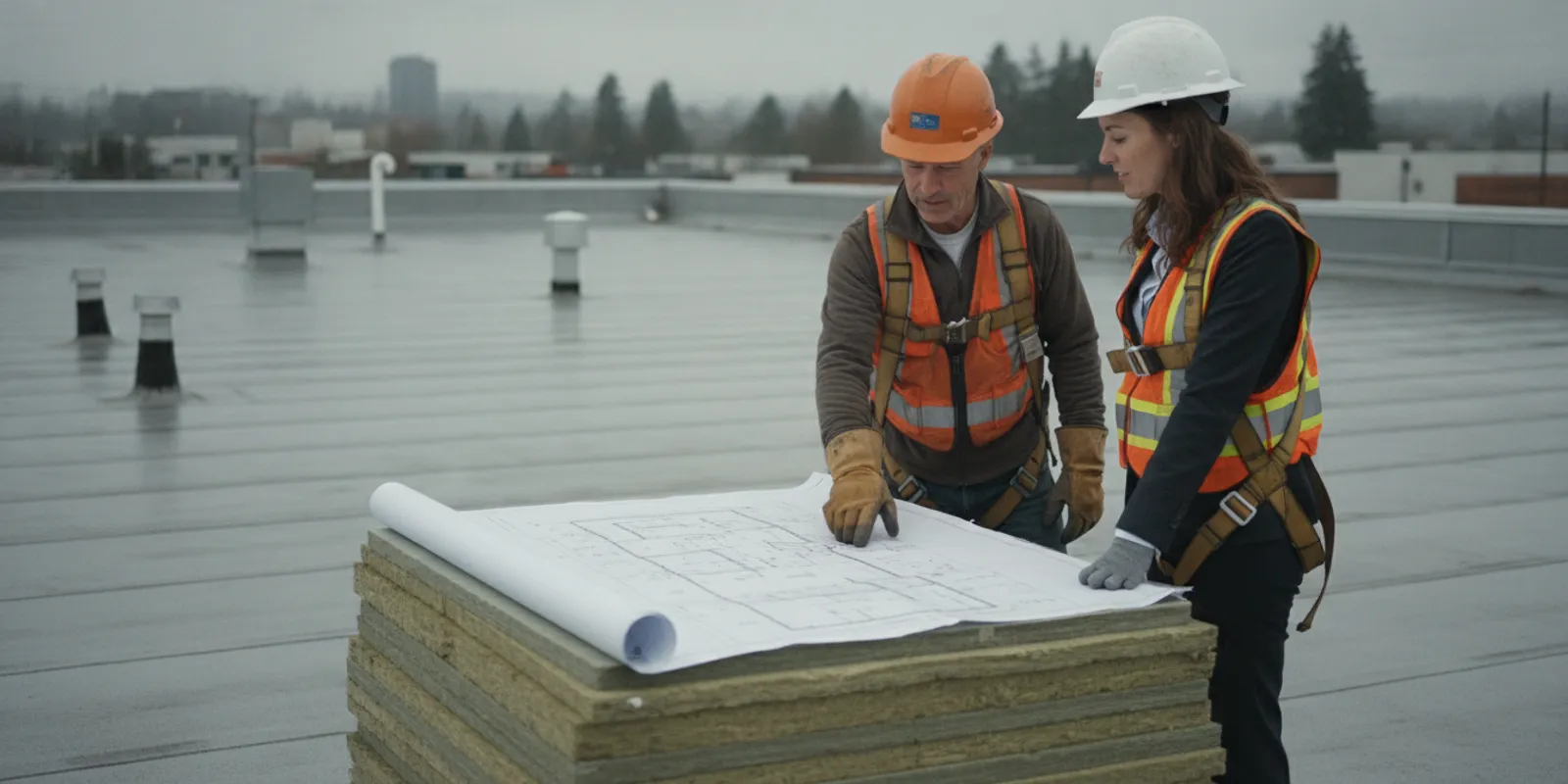
None of those factors can be settled from the curb with confidence. Water often travels before it shows up on a ceiling. That is why SA Roofing treats a repair price as the result of an assessment, not as a number promised before anyone is on the roof.
How much does a roof repair cost by repair type?
The repair type is usually the strongest driver. A job that stays on the surface, such as resealing flashing or replacing a vent boot, needs less labor than a job that opens the roof and replaces wood. The table below uses national planning bands published by This Old House. These bands are not SA Roofing prices, and they are not a quote for a Portland home.
Repair band | Typical scope | What usually moves it up a band |
Minor repair | A small leak, a few shingles, or a puncture that has not soaked the deck. | The opening shows wet wood, or the leak path is longer than the stain. |
Moderate repair | Limited water damage, flashing replacement, or underlayment and deck work. | Several details fail at once, such as flashing plus a soft deck section. |
Major repair | A partial rebuild, a sagging area, or damage on more than one slope. | The structure is involved, or a repair would no longer be the sensible scope. |
This Old House sorts repairs into those three bands and shows a wide national spread from a small patch to a structural fix. Use the bands to understand scope. Do not treat a published national figure as what SA Roofing would charge. The company does not publish a flat repair price, because the number follows the inspection.
Read the ranges as categories, not as a menu. A small leak that has wet the deck can move out of the lower band once the roof is opened. A visible shingle crack that has not let water in can stay in a smaller repair. The inspection is what places your roof in the right row.
Labor is the piece homeowners most often underestimate. A repair is not only the material in the truck. Someone has to reach the spot, protect the yard, open the roof, and close it so the next rain does not find a new gap. A ten-minute patch on paper can still take a crew most of a morning when the access is awkward.
Ask how the estimate treats these add-ons before you treat the total as final:
A disposal or dump fee if old shingles, metal, or wet wood leave the property.
A minimum trip charge when the repair itself is smaller than the cost of sending a crew.
An emergency or after-hours visit if water is active and the work cannot wait for a normal day.
Related gutter or downspout work if overflow, not the field of the roof, is part of the leak path.
A permit, if the scope grows past a simple surface repair and your city requires one.
If the damage may be spread across the roof rather than limited to one spot, the roof damage signs guide explains what a homeowner can note from the ground. It does not replace the assessment that sets the scope.
How do roof shape, access, and Portland weather affect the estimate?
Two repairs with the same materials list can still differ because of the roof they sit on. A simple one-story gable is easier to stage than a steep, cut-up roof with dormers. Extra stories, limited yard access, and landscaping that blocks ladder placement add setup time. That time belongs in the estimate even when the damaged area looks small.
Portland metro weather shapes the work in a few practical ways:
Repeated rain means a leak may have a long path. The visible stain is often not the entry point.
Moss and debris can lift shingle edges or hide a failed flashing joint until the area is cleaned and checked.
Wet seasons limit when some sealants and underlayment details can be finished well. A repair plan should say what can be done now and what waits for workable weather.
Wind-lifted shingles on an exposed slope may need a wider repair than the few pieces you can see from the yard.
Roof shape changes labor even when the damaged patch is the same size. Valleys, dead ends, and walls where the roof meets siding take slower handwork than an open field of shingles. Chimneys and skylights add flashing details that a simple shingle swap does not include. If the only way up is through a narrow side yard, the estimate should say so instead of burying that time in a vague labor line.
An active drip is a different conversation from a cost-planning question. If water is coming in now, start with the Portland roof repair guide for the first steps while you arrange an inspection. This cost page is for understanding the estimate once the roof can be looked at safely.
How do materials and hidden damage change the number?
The surface you see is only part of the price. Asphalt shingle repairs often mean matching a shingle that may no longer be made in the same color. Metal repairs depend on the panel type and how the seam or fastener is detailed. A flat or low-slope section uses a different system again, and a patch that ignores that system can fail at the first hard rain.
Hidden conditions are the other swing factor. Once shingles or a membrane come off, the roofer may find soft decking, wet underlayment, worn flashing, or an older second layer. Each finding can change both the price and the repair method.
Soft or stained decking should be replaced before new material goes down.
Wet underlayment around a valley, wall, or penetration needs to be addressed.
Flashing that can no longer be sealed should be rebuilt, not coated again.
More than one layer of roofing can limit how small a patch can be.
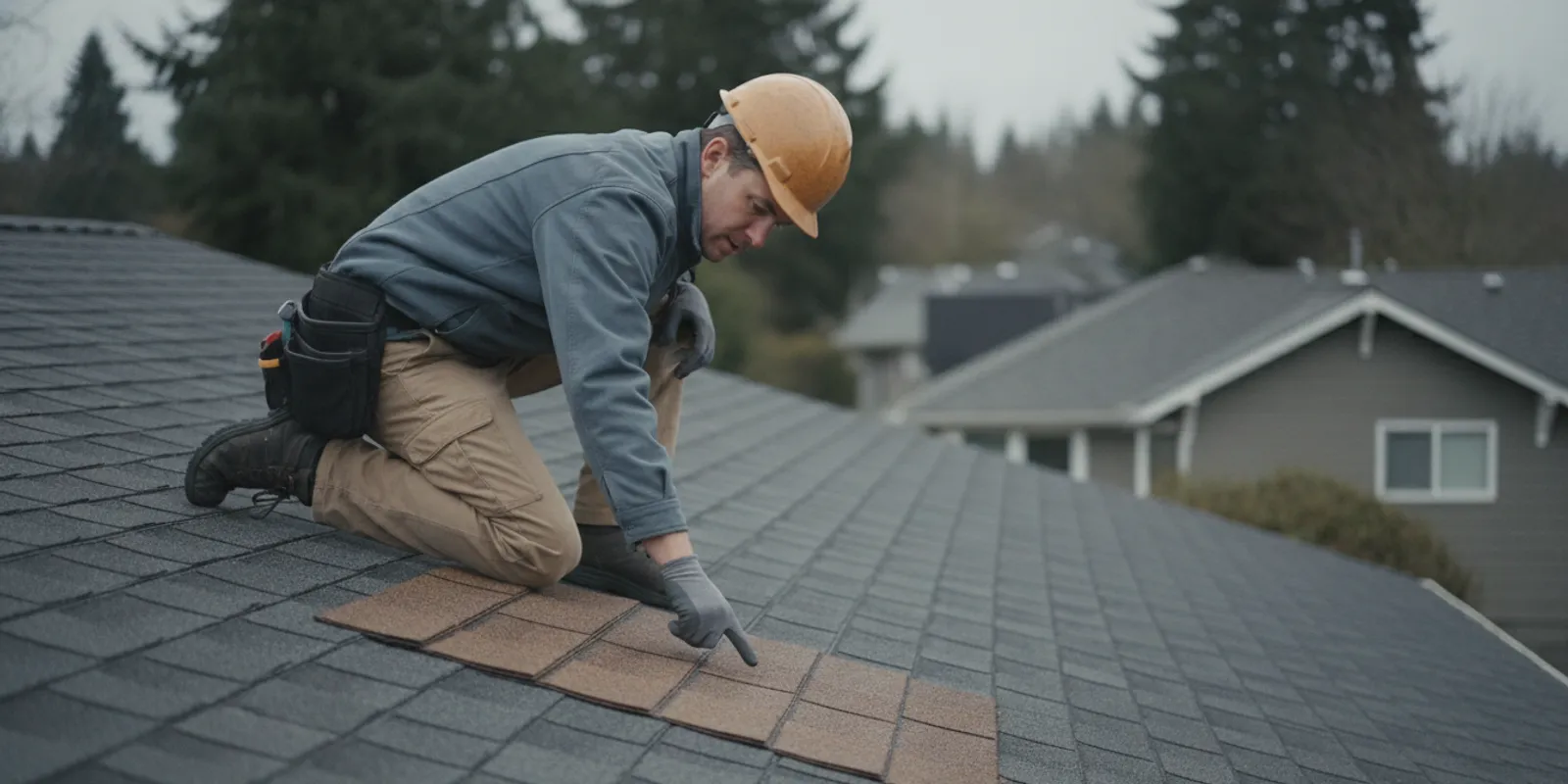
Matching is a cost of its own on older asphalt roofs. The brand in place may be discontinued, or the color may have faded past what a new bundle can copy. A careful repair may replace a wider area so the patch does not stand out, or it may use the closest available shingle and say that plainly. Either choice should be written down. A price that assumes a perfect match, without checking, is not a complete price.
A clear estimate names what is included now and what would be an addition if those conditions show up. That is more useful than a single low number that assumes the deck is dry. SA Roofing's crews are employees, not subcontractors, and the company is licensed in Oregon and Washington (OR# 152050, WA# CLEARCW923BW). The point of the visit is to explain those findings in plain language before you approve work.
For a wider look at common repair situations, the roof repair guide for homeowners covers problems, process, and contractor questions. Come back here when you want to focus on why the price moved.
What should a written roof repair scope include?
Comparing estimates only works when they describe the same job. Ask each proposal to answer the same questions, in writing, before you look at the total.
Where the work is, named by slope, penetration, or area, not only "leak repair.
What will be removed, repaired, or left in place, including shingles, flashing, and underlayment.
Whether decking replacement is included, excluded, or priced as an addition if wood is wet.
Which materials will be used, and how the roofer will handle a color or product match.
What is included for cleanup, disposal, and protection of the yard or gutters.
Whether a permit is expected for this scope, and who pulls it if one is required.
What the workmanship warranty covers, in the words the company actually uses.
Oregon's Construction Contractors Board consumer tools are the place to confirm that a contractor is licensed before you rely on that scope. A lower total that skips decking, flashing, or disposal is not the same offer as a higher total that includes them.
Put the proposals next to each other and mark every line that one includes and another leaves out. If you cannot tell whether decking is included, ask before you decide. A roofer should be able to restate the job in a few sentences: where the water is getting in. What will be opened, and what you would be approving today versus later.
Watch for a price built only to win the conversation. A very low repair number that does not name materials, access, or exclusions usually grows after the roof is opened. That is harder to compare than a complete scope that looks higher on day one. You are allowed to ask for the missing lines. You do not need to accept urgency or a same-day discount as a reason to skip them.
If the findings point to a full replacement instead of a repair, stop using repair ranges. The Portland roof replacement cost guide is the right next read, and the replace or repair guide walks through that decision. Insurance questions belong with your policy and the Oregon roof insurance guide, not in a repair average.
When is an inspection the right next step?
An inspection is the right next step when you need a number you can plan around. Online ranges cannot see your deck, your flashing, or how water moved through this roof. They also cannot tell you whether a repair is still the sensible scope.
Ask for an inspection when any of these are true:
You have a stain, drip, or missing material and you do not know the entry point.
The roof is older and this would be one more repair on top of earlier patches.
Two estimates describe different work, so you cannot tell which price is comparable.
You are deciding between a focused repair and a larger project and want that call made on site.
SA Roofing's approach is a straightforward assessment and a low-pressure recommendation. You should leave the visit knowing what was found, what the proposed repair includes, and what is still uncertain. The residential roofing page outlines the repair and replacement work the team handles across the Portland metro, from Tigard outward. If you want to see completed work before you schedule, the project gallery is the portfolio.
Bring whatever you already know, then let the inspection fill in the rest. A useful visit covers the entry point, the materials on that slope, and whether the deck looked sound where it could be checked. It should also say what the crew could not see. Financing questions, if a larger repair becomes the plan, can wait until that scope is known. The financing page is there for that later step, not as a reason to approve work early.
A repair estimate is a plan for one defined fix. It should be specific enough that you could explain it to someone else without adding guesses. If the roofer recommends a wider project, that recommendation should stand on the roof's condition, not on a sales script. You can take the written scope, compare it with another visit, and decide on your own timeline.
When you are ready for a number based on your roof, request a roof assessment and bring the notes you already have. There is no need to diagnose the cause yourself.
Frequently asked questions
How much does a roof repair cost for a small leak?
A small leak does not have one price. Published guides place many minor repairs in a broad national band, but the total depends on how far the water traveled and whether decking or flashing has to be replaced. A roof inspection is what turns that band into a scope for your house. SA Roofing does not publish a flat repair price.
Why do two roof repair estimates look so different?
They often describe different work. One may cover a surface reseal. Another may include new flashing, a wider shingle area, or decking if the wood is wet. Compare the written scope, materials, and exclusions before you compare the totals.
Do Portland roofs cost more to repair than the national average?
There is no single local markup that applies to every home. Steep roofs, multi-level access, moss, and rain-related hidden moisture can add labor or materials. A simple, easy-to-reach repair may sit near a national range. Only an on-site look can say which situation you have.
Should I get a repair price before anyone inspects the roof?
A phone range can help you plan the conversation, but it is not an estimate. The price should follow a look at the entry point, the materials, and the deck. Approving a number before that step often means approving a guess.
Does a repair estimate include the whole roof?
Not unless the scope says so. A repair estimate should name the area being fixed and what happens if the roofer finds a wider problem. If the recommendation becomes a replacement, that is a different project with its own cost discussion.

Comments