


What Should a Portland Homeowner Clarify Before Hiring Commercial Roofing Contractors?

Hiring commercial roofing contractors is a larger coordination decision than choosing a material or arranging a repair. Before you request a proposal, clarify what the building needs, who uses the property, how roof work will affect access, and what the contractor will include. Those answers help a Portland-area owner or property decision-maker compare plans without feeling rushed.
What does the building need from a roofing contractor?
Start with the building and the problem, not a preferred solution. A leak, a worn surface, ponding water, or concerns about an aging roof can point to different next steps. A useful first conversation makes space to describe what you have noticed and lets the contractor explain what needs to be assessed before recommending work.
Write down the basics before contacting contractors:
The building's address and general use, such as office, retail, warehouse, or multifamily.
Which area is affected and when the problem first appeared.
Whether water is entering, staining a ceiling, or affecting equipment or stored items.
Any previous repairs, maintenance, or roof work you know about.
Known access limits, occupied areas, operating hours, or delivery schedules.
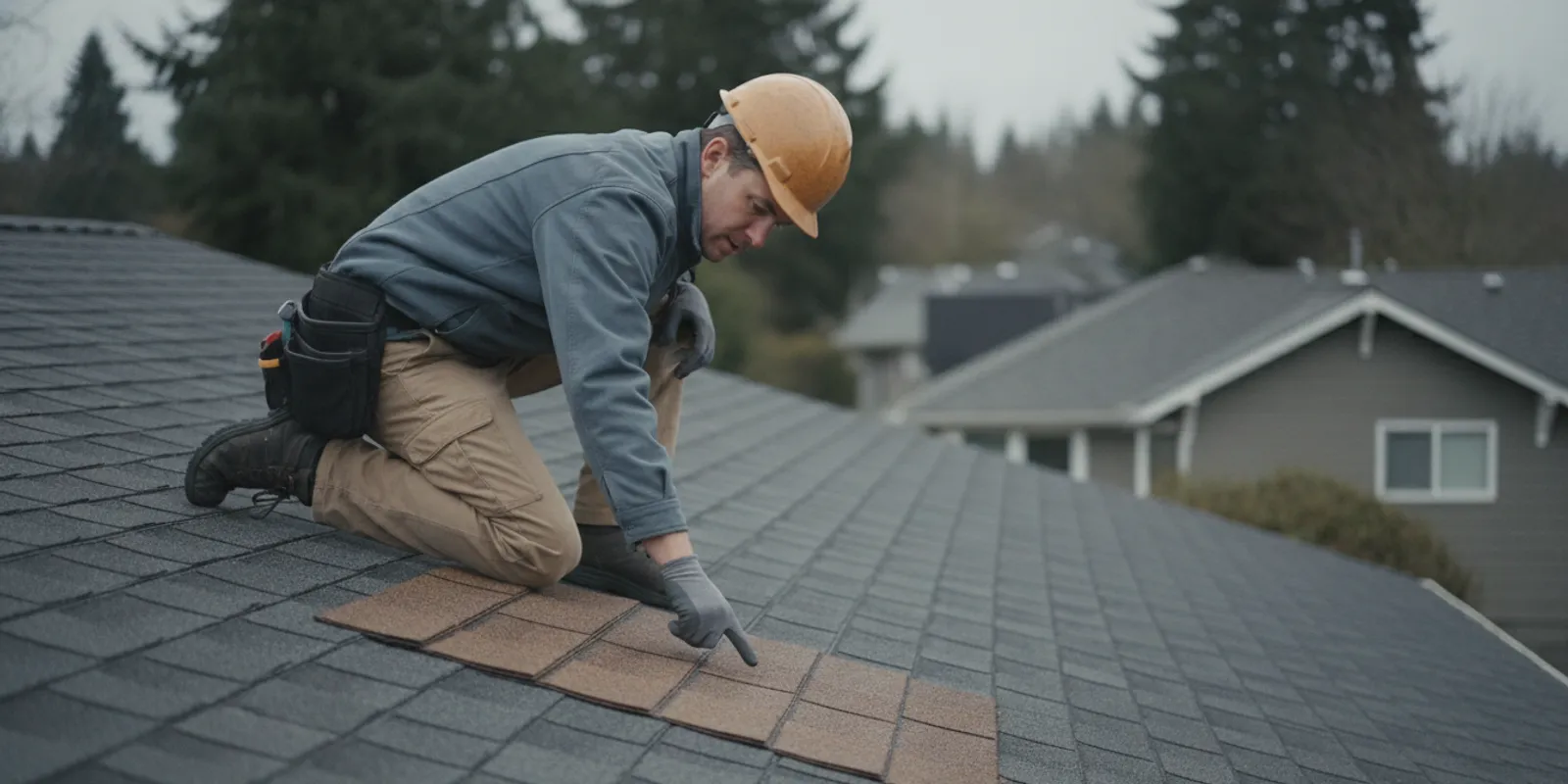
These notes do not diagnose the roof. They help the contractor understand the situation and ask relevant follow-up questions. If there is active water entry, explain that clearly when you call and ask what immediate steps are appropriate. Avoid climbing onto a roof to investigate. A professional assessment can help establish the condition and the suitable scope.
SA Roofing lists commercial roofing among its services. If you are considering work on a home rather than a commercial or multifamily property, the residential roofing service information may be a closer starting point. The project type matters because access, occupants, and coordination needs vary.
How should you define the scope before comparing proposals?
A proposal is only useful when you can tell what work it covers. Ask the contractor to distinguish the observed condition from the recommended work. If more than one approach may be reasonable, ask what each option is meant to address and what the limits are. A repair, a larger repair program, and replacement are not interchangeable simply because they relate to the same roof.
Clarify whether the proposed work involves a localized area or a larger roof section, and ask what areas will be inspected as part of the assessment. For replacement planning, ask what existing material is expected to be removed, what new system is proposed, and what assumptions the estimate depends on. If concealed conditions could affect the work, ask how they would be documented and discussed before additional work proceeds.
For each proposed option, look for a plain-language description of:
The specific roof area and work included.
Materials or system components identified in the proposal.
Preparation, removal, installation, and cleanup tasks.
What is excluded or depends on conditions that cannot yet be confirmed.
How a change in scope would be explained and approved.
Ask the contractor to explain unfamiliar terms instead of guessing. Roofing language can make two proposals seem comparable when they cover different work. The customer-facing roofing terms and conditions page can also help you review terminology and the written terms provided for a project.
What should you clarify about the roof system and building conditions?
Commercial roofs can differ from the sloped shingle roof many homeowners know. The building may have a low-slope or flat roof, rooftop equipment, drains, penetrations, or adjoining roof areas. Do not assume that a recommendation for one part of the building answers questions about every roof section.
Ask what the contractor observed, which areas were accessible, and whether any areas need a closer review. If equipment, skylights, roof edges, drains, or transitions are relevant, ask how those details are addressed in the proposed scope. You do not need to select a roofing system based on technical terms alone. You do need to understand why the recommended approach fits the building and what the proposal covers.
If the assessment identifies a drainage concern, ask whether the roof work and the drainage issue are part of the same proposal or separate work. Roofs and gutters can affect how water moves away from a building, but a gutter project does not automatically address a commercial roof problem. SA Roofing provides gutter replacement information for projects where that work is relevant.
What qualifications and documentation should you review?
Ask who is responsible for the work and what company will perform it. Request the contractor's license information and confirm that it is current and appropriate for the work and location. Oregon's Construction Contractors Board provides information for consumers about contractors and licensing at its official website. Use the agency's resources to check information rather than relying only on a sales conversation.
You can also ask what insurance documentation is available and whether the proposed work requires any project-specific documentation. Ask who will supervise the job and whom you should contact if conditions differ from the proposal. These are reasonable planning questions; they do not replace your own review of documents or professional advice when your building, lease, or lender requires it.
Before signing, read the written proposal and agreement. Confirm the property and scope, the payment terms, how changes are handled, and what documents you will receive at completion. If the project is subject to a lease, association rules, lender requirements, or internal procurement process, identify those requirements early and share them with the contractor.
How do you compare commercial roofing proposals fairly?
Give every contractor the same information when you request a proposal. Share the same roof areas, known concerns, site access limits, and preferred timing. If one contractor has more information than another, their recommendations may not be based on the same picture. You can note what is known, identify what has not yet been inspected, and ask whether a site visit is needed before the estimate can be specific.
When a proposal is unclear, ask questions in a consistent order. What problem is the work intended to address? What exactly is included? What could change after work starts? How will you be notified and asked to approve an additional item? Who is responsible for protecting or moving items near the work area? These questions make it easier to understand the plan without assuming that one contractor's wording matches another's.
It is also useful to separate a price difference from a scope difference. A proposal may appear less expensive because it covers a smaller area, excludes removal or cleanup, uses different stated materials, or relies on assumptions that another proposal spells out. Ask each contractor to point to the relevant line in the proposal and explain it in ordinary language. You are comparing the documented work, not just the total.
The lowest number on a page does not tell you whether two proposals cover the same work. Compare the scope, assumptions, materials, exclusions, schedule, and documentation together. If a detail is missing, ask for clarification in writing so you can make a decision using the same information for each contractor.
Item to compare | What to clarify | Why it matters |
Scope | Which roof areas and tasks are included? | Prevents an assumption that separate areas or work are covered. |
Materials and system | What components are specified, and what alternatives are being considered? | Helps you understand what the proposal actually describes. |
Conditions and exclusions | What is not included, and how will concealed conditions be handled? | Shows where a change in scope may need discussion. |
Access and operations | What areas need to be clear, and when will access be needed? | Supports planning for occupants, deliveries, and equipment. |
Schedule and communication | What is the anticipated sequence, and who provides updates? | Sets expectations for coordination during the project. |
Closeout documents | What records, product information, or warranty documents will be provided? | Clarifies what you will have for future maintenance and reference. |
When you review costs, ask what each amount includes and whether it depends on a stated assumption. SA Roofing's published asphalt-roof planning reference of $10,000–$20,000 is limited to planning and is not a universal quote; commercial projects can differ in scope and building conditions. For your property, request a project-specific assessment rather than treating a general reference as a price.
If you are comparing a repair with replacement, ask each contractor to explain the reasoning and limitations of the recommended option. A focused repair-versus-replacement guide can help frame that conversation, but the building's actual condition should guide the assessment.
What should you plan for access, occupants, and scheduling?
For a multifamily building or a property with several businesses, identify who needs advance notice and who can answer day-to-day questions. A tenant may report a leak, while an owner or manager approves the work; make sure the contractor knows which person handles each role. If more than one roof area is involved, ask whether the work can be phased and what access or communication would be needed for each phase. Do not assume a phased approach is practical until the contractor has reviewed the site and the scope.
Ask what preparations are expected from you before the crew arrives. This may include confirming access points, identifying restricted areas, moving vehicles, or sharing site rules. Get the requested preparations in writing and check that you have time to coordinate them. If the building has special entry procedures or safety requirements, raise them before a work date is set.
Commercial roofing work can affect people who use the building even when the work area is on the roof. Before work begins, clarify how the crew will access the site, whether vehicles or materials need a designated area, and which entrances, walkways, or loading zones could be affected. Ask how the contractor will communicate any access changes so you can inform occupants or tenants.
Share the property's operating hours and any important constraints, such as scheduled deliveries, customer-facing hours, sensitive equipment, or areas that must remain accessible. Ask what noise, dust, or temporary disruption may be expected and which details are still uncertain. The contractor may need to assess the site before giving a reliable sequence; avoid treating an early estimate of timing as a firm schedule unless the written agreement confirms it.
Choose one point of contact for project questions if possible. Confirm who can approve a change in scope, how urgent issues will be raised, and how often you can expect updates. If tenants or staff should receive notices, agree on who sends them and when. Clear communication does not remove every disruption, but it makes responsibilities easier to understand.
Which warranty and closeout details should you ask about?
Ask the contractor to explain any workmanship coverage and any manufacturer or product warranty separately. Request the terms in writing and confirm which products, work, or conditions each document covers. Do not assume that the word “warranty” means every future leak or repair is included. The actual terms, exclusions, and required maintenance matter.
Ask what records will be provided when the work is complete, such as product documentation, applicable warranty information, or a summary of completed work. Clarify whether you have any maintenance responsibilities and whom to contact with a concern. SA Roofing has a general article on what to review in roofing warranties; the agreement and warranty documents for your specific project are the controlling references.
Also clarify how any issue discovered during the project will be documented, who will explain the options, and how approval is recorded. A written record helps property decision-makers follow what was agreed without relying on a verbal summary weeks later.
How can you take a low-pressure next step?
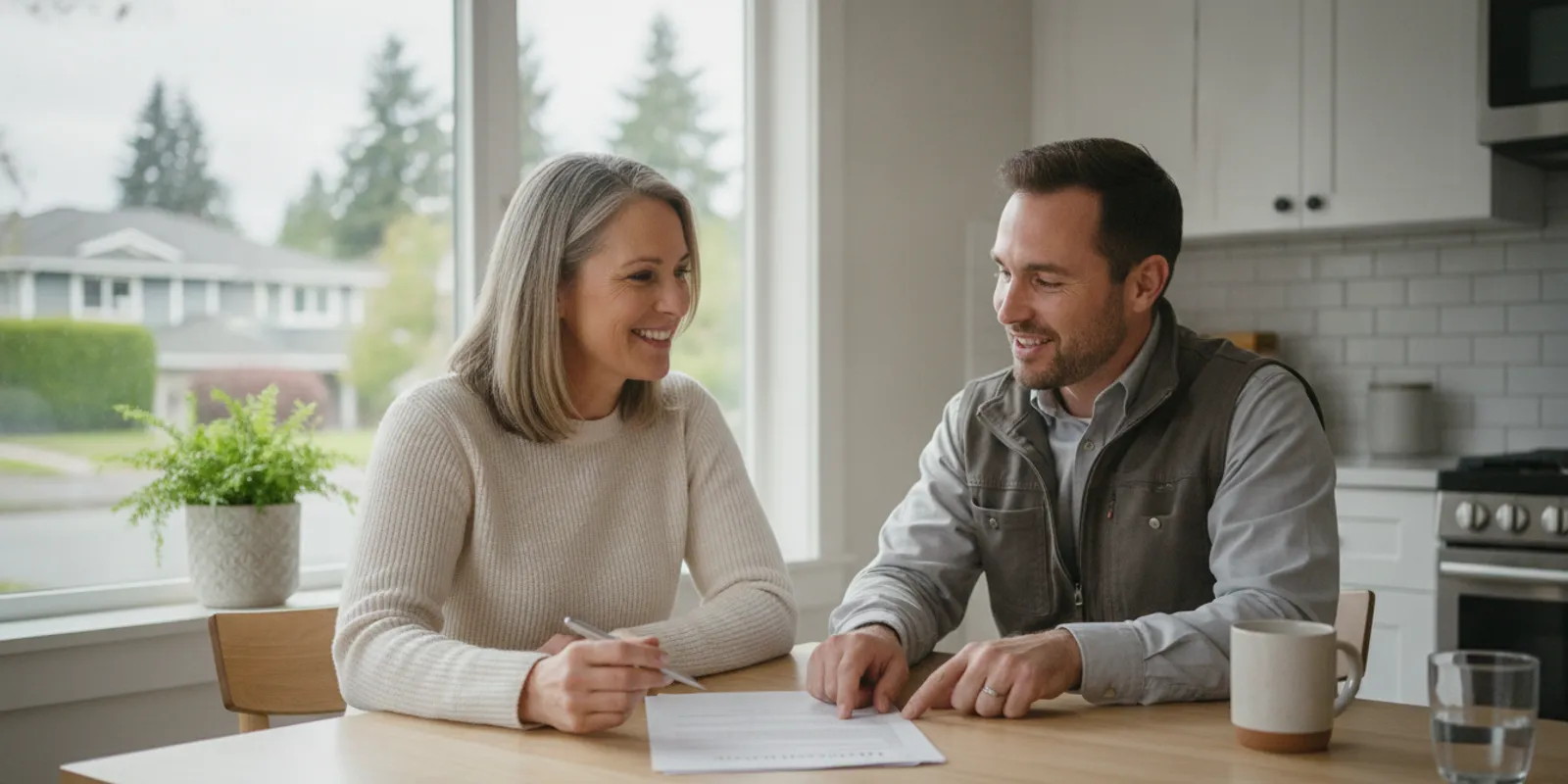
You can begin with a conversation about the building, the observed concern, and the timing you have in mind. Prepare your notes, share any known access requirements, and ask what information the contractor needs to assess the roof. You do not have to decide on a full scope before you understand the condition and available options.
SA Roofing's commercial roofing service page is a relevant place to review its commercial roofing path. You can also see roofing projects in the Portland metro and read the commercial roofing contractor guide as you prepare questions. For a project-specific discussion, request a roofing estimate and ask what the next step involves.
Frequently asked questions
Should I request a repair or a replacement proposal first?
Describe the problem and ask for an assessment before choosing a scope. The contractor can explain whether the observed condition supports a repair, a broader plan, or replacement, and what remains uncertain. If you request multiple options, ask that each one state its scope and limitations.
What should I bring to a first conversation?
Bring the property address, a short description of the concern, when it started, any known roof history, and the building's access or operating constraints. Photos taken safely from inside or from the ground may help explain visible effects, but do not climb onto the roof to gather them.
Can I compare proposals by price alone?
No. First check whether the scope, materials, exclusions, access assumptions, schedule, and closeout documents are comparable. Ask contractors to clarify missing details in writing before weighing the amounts.
When should I ask about scheduling impacts?
Ask during the assessment and proposal stage, before work is scheduled. Share operating hours, tenant needs, deliveries, and access restrictions so the contractor can explain likely coordination needs and identify details that still require confirmation.
A clear proposal and a calm, specific conversation make it easier to decide whether a contractor's plan fits your building and your responsibilities as a property owner.
Comments