


Roofing Company Milwaukie Oregon: Replacement, Repair, and How to Choose a Contractor

If you are looking for a roofing company in Milwaukie, Oregon, the first decision is not which material or contractor to choose. It is understanding whether your roof needs a focused repair, more investigation, or a full replacement. A clear inspection and written scope can make that choice easier without pressure.
This guide explains common roofing services, what local homeowners should look for when comparing proposals, and which details affect project planning. It is part of our broader Portland metro roofing guides, created to help homeowners make an informed next move.
Roofing company Milwaukie Oregon services to consider
Roofing needs range from a small, localized issue to a roof system that has reached the point where repair is no longer the practical long-term choice. A good evaluation starts with the roof's condition and the homeowner's concern, then explains the available options in plain language.
- Roof repair:
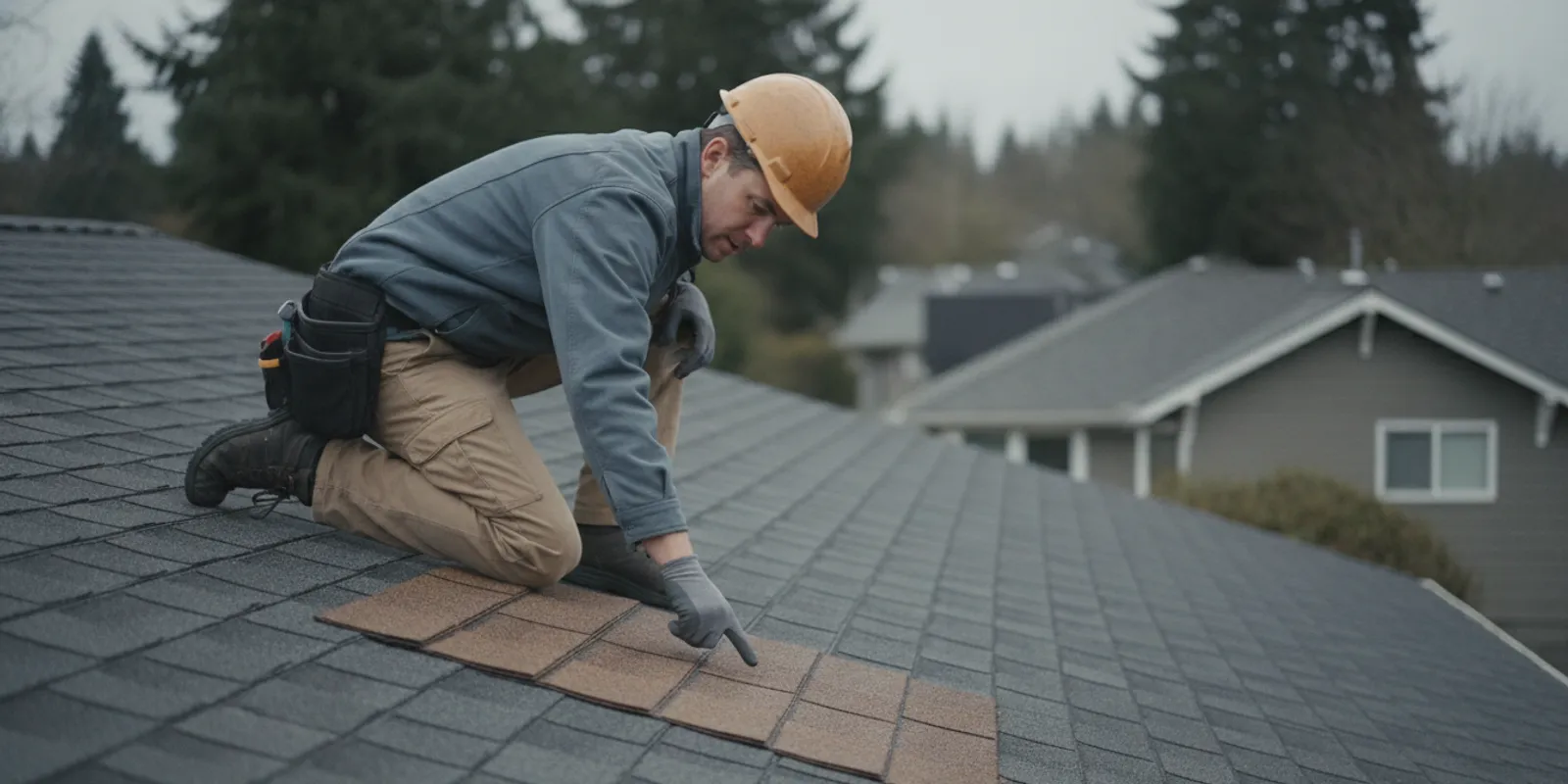
A roofer investigates a leak, damaged shingles, or another specific concern and determines whether a limited repair can address it. The visible symptom may not be at the point where water enters, so diagnosis matters.
- Roof inspection:
An inspection documents the condition of accessible roof areas and helps clarify whether there are issues that need attention. Ask what was examined and what could not be confirmed.
- Roof replacement:
When the existing roof has widespread wear, recurring problems, or other conditions that make repair an unsuitable plan, replacement removes and renews the roofing system according to the agreed scope.
- Flat roofing:
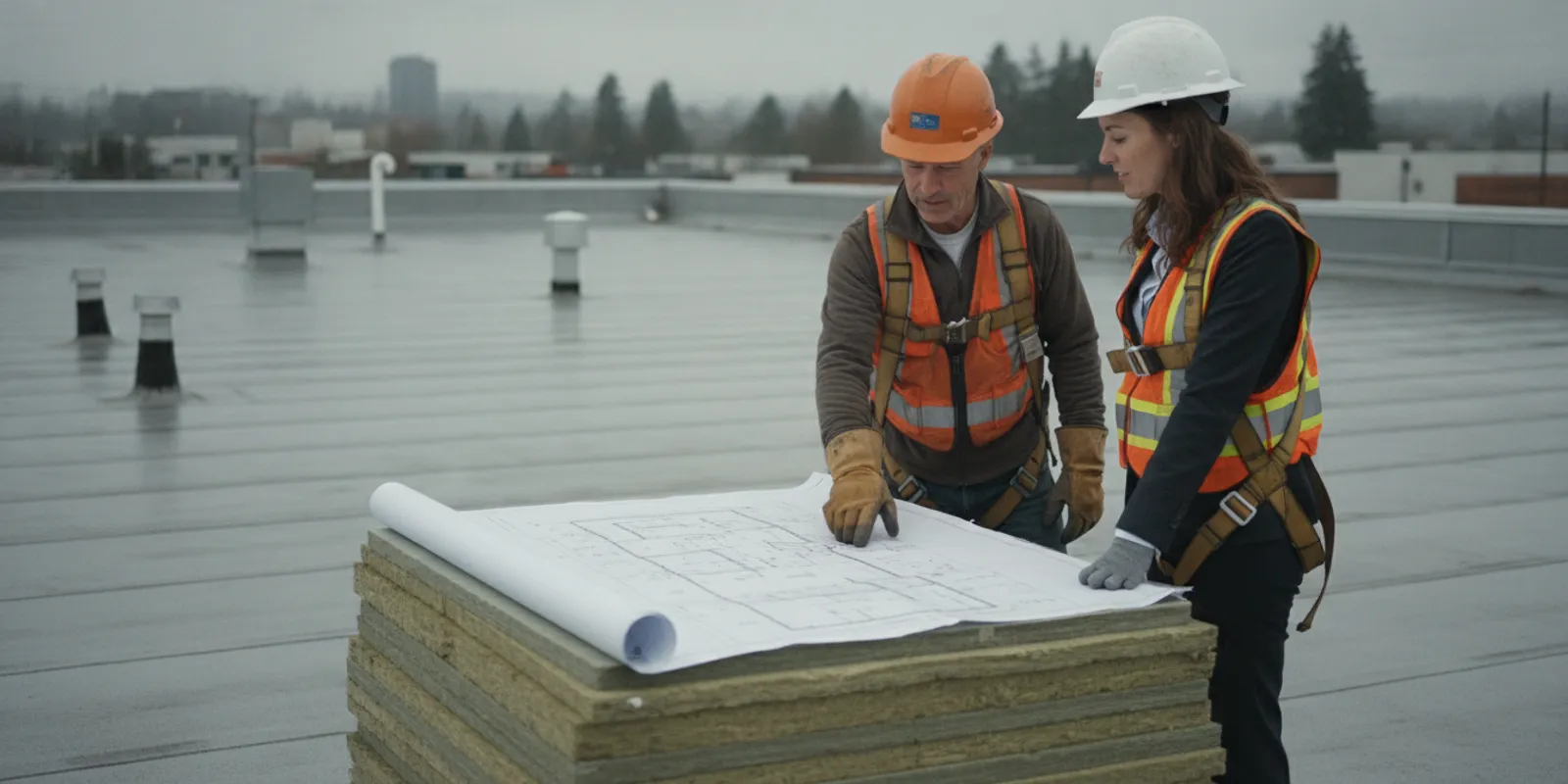
Low-slope and flat roof sections use systems and details that differ from many pitched shingle roofs. Confirm that the contractor's proposed approach is suited to the roof design.
SA Roofing's listed roofing work includes replacement, repair, inspections, flat roofing systems, and multifamily services. You can review the company's roofing services and residential roofing information to understand the general scope before talking through your particular home.
Each service answers a different question. An inspection helps establish what can be seen and what needs attention; repair addresses a defined problem; replacement renews the roof when a series of isolated fixes would not be a sound plan. For a home with a pitched main roof and a porch or addition with a low-slope section, ask whether the proposal treats each roof area separately. The materials, drainage details, and installation approach may differ by section, so a single broad description can leave important scope unclear.
What roofing problems are common in the Milwaukie area?
Milwaukie shares the greater Portland area's wet-season conditions. Water can expose weak points in roof coverings and flashing, while debris and moisture can make routine observation important. The exact cause of a problem depends on the home's design, roof age, maintenance history, and the details of its installation; an online description cannot diagnose a particular roof.
Homeowners often start looking for help after noticing a ceiling stain, a drip, missing or lifted shingles, damaged flashing, or granules collecting in a gutter. These are clues to investigate, not proof of a single cause. Water can travel along roof decking or framing before becoming visible indoors, so the spot on a ceiling may not sit directly under the roof opening.
If water is actively entering the home, protect belongings and contact a roofing professional to discuss safe next steps. Avoid climbing onto a wet or steep roof. For a less urgent concern, note when it appears, photograph visible signs from a safe location, and share that information during an inspection request. Our Portland roof leak response tips offer more guidance on documenting a leak and responding carefully.
A repair recommendation should explain both the suspected source and the proposed fix. Ask whether the roofer found a single localized failure or signs of broader wear, what areas were examined, and what follow-up would be appropriate if the symptom returns. If a repair is not recommended, ask what specific conditions make it an incomplete or short-lived solution.
Before the appointment, make a short record of the symptoms: the room where a stain appeared, whether it changes after rain, the approximate date it began, and whether it has happened before. If you have attic access and can look safely from the floor without climbing onto a ladder or disturbing materials, note any visible dampness or staining. Do not touch electrical fixtures or wet insulation. A simple timeline can help the roofer connect the reported symptom with weather and inspection findings, while avoiding assumptions about the cause.
When is roof repair enough, and when is replacement worth considering?
There is no one visible sign that automatically settles the repair-versus-replacement decision. A localized issue on an otherwise serviceable roof may be repairable. Widespread deterioration, repeated leaks, or damage across multiple areas can make a broader scope more sensible. The age of the roof is useful context, but condition and repair history matter too.
What the evaluation finds | Option to discuss | Questions to ask |
A limited, clearly identified problem and surrounding materials appear serviceable | Targeted repair | What caused the problem, what exactly will be repaired, and what might remain uncertain? |
Several trouble spots or recurring symptoms, but the full roof condition needs clarification | Further inspection and a written comparison of repair and replacement | Which areas show wear? Can the proposed repair reasonably address the known issues? |
Widespread wear or conditions that make isolated fixes an incomplete plan | Full roof replacement | What is included in removal, installation, cleanup, and documentation? |
This table is a starting point for a conversation, not a substitute for inspection. A useful recommendation connects what the contractor observed to the proposed scope. If the explanation is vague, ask for the reasoning in writing or seek another opinion before deciding.
For a closer look at the distinction, read SA Roofing's guide to when to replace versus repair a roof. It can help you prepare questions, but the recommendation for your home should be based on its actual condition.
To compare options clearly, ask the roofer to separate three things: what is visible now, what the proposed work will address, and what cannot be confirmed until work begins. For example, a repair proposal may address a specific flashing detail but not renew worn shingles elsewhere. A replacement proposal may resolve more widespread deterioration, but it should still state how concealed conditions will be handled. Understanding these limits helps you judge whether the scope matches your goal rather than assuming one option covers every possible issue.
What affects roof replacement cost in Milwaukie?
A roof replacement price depends on the specific home and the scope written into the proposal. Roof size is only one consideration. Roof shape, pitch, access, existing layers, removal needs, decking condition, flashing details, material selection, and cleanup can all affect the work. Local conditions and what becomes visible after old materials are removed may also influence the final scope.
SA Roofing has an existing asphalt-roofing planning reference of $10,000–$20,000. This is a limited planning reference, not a universal quote or a prediction for any particular Milwaukie home. Your roof's dimensions, design, existing conditions, and selected work can result in a different project cost. A site-specific written estimate is the appropriate way to understand your own project.
When comparing proposals, do not look only at the total. Check whether each one describes the same work and materials. A lower total may reflect a different scope rather than better value, while a more detailed proposal may make important assumptions visible before work begins. A clear price should have a clear explanation.
Ask what existing roofing will be removed and whether disposal is included.
Ask how the proposal handles damaged roof decking if it is discovered during removal, including how additional work would be explained and approved.
Compare the named roofing materials and the installation details, not just a broad label such as “new roof.”
Check that flashing, ventilation-related work, penetrations, and cleanup are addressed where relevant to your roof.
Ask which warranty terms apply to the materials and workmanship, and request the actual written terms rather than relying on a verbal summary.
A public Oregon roof-replacement bid, for example, describes its project scope as including the complete tear-off and removal of existing roof systems. That is one project's specification, not a rule for every home, but it illustrates why a proposal should make removal and disposal clear. See the State of Oregon roof replacement bid solicitation for that project-specific scope.
For more planning detail, see the homeowner guide to roof replacement budget planning in Portland and the article explaining what to look for in a roofing proposal. SA Roofing also provides a guide to what happens during a free roofing estimate.
A practical way to compare two bids is to make a simple side-by-side list before discussing totals. Write down the specified materials, tear-off and disposal, roof areas included, flashing and penetration details, ventilation work if any, cleanup, and the process for approving concealed repairs. Mark any item that one proposal leaves unanswered. Then ask each contractor the same questions. This turns a confusing price difference into a concrete scope comparison and gives you a record of what each estimate assumes.
Roofing company Milwaukie Oregon: how to choose a contractor
Choose a contractor whose process makes it possible to understand the recommendation before committing. A professional conversation should leave room for questions. You should be able to tell what was observed, what work is proposed, what is not included, and how changes would be handled.
- Verify licensing and insurance.
Ask for the contractor's current credentials and confirm them through the appropriate state resources. SA Roofing lists Oregon CCB license OR# 152050 and Washington contractor registration WA# CLEARCW923BW and states that it is licensed, bonded, and insured in Oregon and Washington.
- Request a written scope.
The proposal should describe removal, installation, included components, disposal, and any exclusions that matter to your project. If a term is unfamiliar, ask the contractor to explain it in ordinary language.
- Ask who will perform the work.
Clarify how the installation crew is structured and who is responsible for communication and oversight. SA Roofing states that its installers are direct employees, not subcontractors.
- Understand the warranty documents.
Ask what coverage applies, who provides it, what conditions or exclusions are stated, and how to make a claim. Do not assume all warranties cover the same things.
- Compare more than one proposal if useful.
Use the same questions for each contractor and compare like-for-like scope. A calm review can reveal missing details without turning the decision into a rush.
- Notice how questions are handled.
Clear answers and responsive communication are part of the project experience. Take the time you need to decide; a contractor should explain options without high-pressure tactics.
For additional background, use this guide to hiring a roofing service you can trust. You can also browse roofing projects in the Portland metro to see examples of the company's work. Project photos can help you understand its work, but they do not replace a written scope for your home.
Before signing, make sure you know who your point of contact will be, how you will receive updates, and how questions that arise during the project should be handled. Read the proposal and related documents at your own pace. A contractor should be able to explain any unclear term and give you time to consider the choices. If the estimate is based on assumptions about access, existing layers, or concealed roof conditions, ask that those assumptions and the process for changes appear in writing.
How does Portland metro weather affect Milwaukie roofs?
Persistent seasonal rain makes water management an important part of roof performance across the Portland metro. Roof coverings, flashing, valleys, penetrations, and the transition between roof sections all need to work together to direct water away from the structure. Leaves and other debris can also collect in roof valleys and gutters, so homeowners should pay attention to drainage and visible changes from the ground.
Weather exposure is not identical on every home. Roof orientation, trees, shade, ventilation, construction details, and maintenance can all influence how a roof weathers. Two nearby homes may therefore need different recommendations. Rather than relying on a single lifespan estimate or a neighbor's experience, ask a roofer to explain the condition of your own roof and any limitations of the inspection.
Ventilation is another subject worth discussing when planning a replacement. It is connected to the roof assembly and should be assessed in context rather than treated as an automatic add-on. SA Roofing's article on why roof venting matters gives homeowners a place to start learning the terminology.
From the ground, homeowners can look for changes after heavy rain without trying to inspect the roof directly. Notice whether water spills over a gutter, whether a downspout appears blocked, or whether a new ceiling mark appears indoors. These observations are useful to share with a roofer, but clearing debris or repairing roof details should be done safely. For maintenance planning, ask what routine checks are appropriate for your roof type, nearby trees, and access conditions. A contractor can explain whether an observed issue is related to the roof covering, drainage, flashing, or another part of the assembly.
How do you request a roofing estimate in the Milwaukie area?
Before requesting an estimate, write down what prompted the search and when you first noticed it. Mention whether there is active water entry, whether the issue has happened before, and any repairs you already know about. If you can safely take photos from the ground or indoors, keep them available. This information helps begin a more focused conversation, but it does not replace an on-site evaluation.
During the visit, ask the roofer to explain what was inspected and what was not accessible. Request a written recommendation that separates observed conditions from assumptions and describes the proposed work. If replacement is suggested, ask what makes repair unsuitable. If repair is proposed, ask what it is expected to address and whether any other roof concerns remain.
When you are ready, you can request a free roofing estimate or review SA Roofing's financing information as part of your planning. Availability, project details, and financing terms should be confirmed directly with the company and applicable provider.
To make the visit useful, have any past repair information and your main questions nearby. You might ask whether the estimate covers the whole roof or only a particular section, how the crew will protect the surrounding property, and how completion and cleanup will be communicated. If more than one household decision-maker is involved, consider having them join the conversation or review the same written proposal afterward. Clear notes make it easier to compare recommendations without feeling rushed.
Frequently Asked Questions
Does a roof leak mean I need a full replacement?
Not necessarily. A leak can come from a localized issue, but it can also reveal broader wear or a problem that is difficult to identify from indoors. Have a roofer inspect the roof and explain why repair or replacement is the appropriate recommendation.
Can I compare estimates if contractors recommend different work?
Yes, but first ask each contractor to explain the condition they observed and why they recommend that scope. Compare the written work, materials, exclusions, removal, disposal, and warranty terms rather than comparing totals alone.
Should I climb onto the roof to check for damage?
No. A roof can be steep, wet, or unstable, and walking on it can cause injury or damage. Observe from a safe location and leave roof access and evaluation to a qualified professional.
What should I bring up during an estimate?
Share the symptoms you have noticed, their timing, past repairs, and any questions about cost or project timing. Ask what the inspection covers and request a written scope so you can review the recommendation at your own pace.
A roof decision should be based on the condition of your home, a clear explanation of the options, and a scope you understand. Taking time to compare repair and replacement recommendations can help you choose the next step with confidence.

Comments