


Free Roofing Estimate Portland Oregon: What to Expect

A roofing estimate should do more than produce a number. It should help you understand your roof's condition, the work it may need, and which questions deserve clear answers before you make a decision. For Portland homeowners, an in-home review is especially useful because roof design, access, materials, and installation requirements can vary from one property to the next.
A free roofing estimate portland oregon homeowners can use should be property-specific, clearly explained, and free of pressure. The estimate is a starting point for comparing the written scope and options, not a guarantee of one final price or identical requirements for every home.
Knowing how the visit typically works makes the process easier and helps you prepare. It also gives you useful context for reviewing Portland roof replacement costs without mistaking a planning range for a quote. Here is what to expect when an estimator evaluates your home and discusses the next steps.
What Happens During a Free Roofing Estimate in Portland, Oregon?
A roofing estimate should give you a clearer understanding of your home's needs. It should not add pressure to make a decision before you are ready. For Portland-area homeowners, the process generally moves through four stages: schedule, consult, quote, and installation. The estimate focuses on understanding the property, discussing your priorities, and explaining practical options in plain language.
1. Schedule a consultation
You can begin by requesting a free, no-obligation consultation by phone, through an online form, or at the SA Roofing showroom in Tigard. The scheduling conversation is a chance to explain why you are reaching out. You may be concerned about an aging roof, a leak, storm damage, or uncertainty about whether a repair or replacement makes sense. Sharing those concerns early helps the roofing professional understand what you want the appointment to address.
If you are comparing what roof replacement involves, the estimate is an appropriate time to ask how the evaluation connects to the potential work. You do not need to commit to a project simply because you schedule an appointment.
2. Review the property and discuss your goals
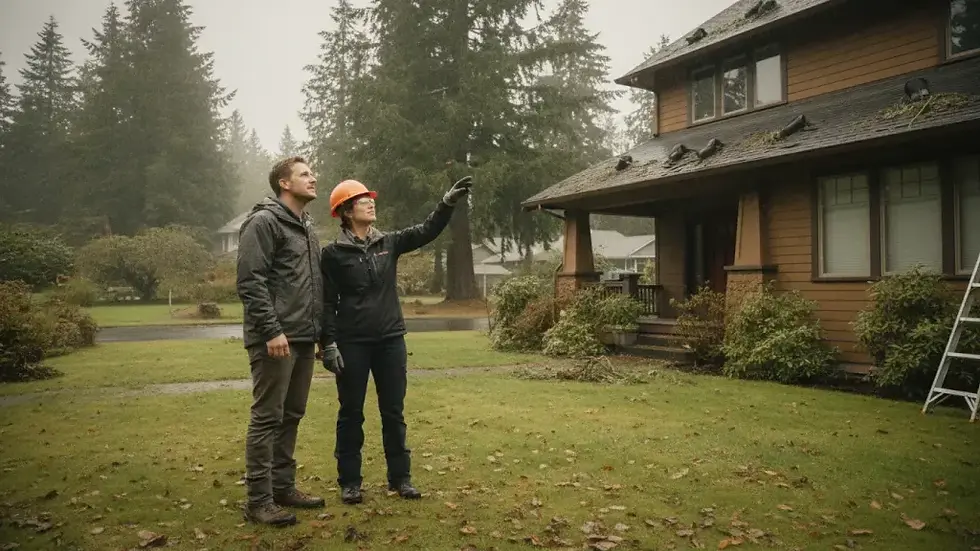
During the consultation, the estimator evaluates the existing exterior and discusses your goals, concerns, and questions. The on-site review may include measuring the roof, taking notes, looking at the roof's design and visible condition, and discussing material or installation options. These details matter because a roof is part of a specific property. Access, layout, existing materials, and installation requirements can all affect the recommended scope.
Use this part of the visit to describe any symptoms you have noticed and ask about the options being considered. A helpful consultation should leave you with a better understanding of the condition being evaluated and the work that may be appropriate. Rather than a list of confusing technical terms.
3. Receive a written quote
After the evaluation, the next step is a written quote. A transparent bid should explain the proposed work and lay out product and labor costs and markups instead of showing only one unexplained total. Review the scope carefully. An estimate is based on the property and the information available during the evaluation. So it should not be treated as a guarantee of a specific final price or identical requirements for every home.
Ask about any line item you do not understand, including materials, preparation, installation, or work that may depend on conditions discovered later. You can also compare the written scope with other estimates before deciding.
4. Decide on the next step without pressure
Once you have the quote, you can ask follow-up questions, compare your options, and make an informed decision. If you choose to move forward, the project proceeds into planning and installation. SA Roofing describes installation as being completed by direct employees, with professional cleanup and a final walkthrough by the lead installer. If you are not ready, the consultation and written information can still help you plan responsibly.
Why an In-Home Estimate Is More Useful Than an Online Number
An online roofing number can be a helpful starting point, but it cannot see the home. An in-home estimate gives the contractor an opportunity to evaluate the property itself and build a project scope around what is actually there. That distinction matters because two homes with similar footprints can have very different roofing requirements.
The existing condition is one of the first factors to consider. An estimator may look for visible wear, damaged materials, exposed areas, flashing concerns, or other conditions that affect the work. Some issues may not be obvious from the street or from an address-based estimate. Seeing the roof and the surrounding exterior helps clarify whether the project calls for repair, reroofing, or a more extensive replacement plan.
Roof design also changes the work involved. Roof size is only one part of the picture. Multiple slopes, valleys, dormers, hips, skylights, low-slope areas, and transitions between roof sections can make installation more detailed. The estimator can measure the roof, note its layout, and explain how those design details affect materials and installation requirements. This creates a more useful basis for reviewing the scope than a generic range.
Access is another property-specific consideration. The crew may need to account for the home's height, the location of roof sections, landscaping, neighboring structures, driveway access, and space for safely moving materials. These details influence how a project is planned and how labor is organized. They are difficult to assess accurately through an online form alone.
Material selection matters as well. Asphalt composition, metal, slate, composite, synthetic products, and flat-roof systems are not interchangeable. Each has different installation considerations, and the best option depends on the existing roof, the home's design, the homeowner's goals, and the scope of work. An in-home consultation creates time to discuss those choices instead of treating one material or one assumed system as universal.
Labor is connected to all of these factors. Size, complexity, chosen materials, local labor conditions, and installation requirements can all shape the work. A written estimate should explain the recommended scope and make the assumptions easier to understand. It should not be treated as a guaranteed final price or as proof that every contractor is proposing identical work.
For broader planning context, review Portland roof replacement costs, then use an in-home evaluation to connect general information to your property. A useful estimate leaves you with clear recommendations, an understandable scope, and room to ask questions before making a decision.
How to Prepare for Your Roofing Estimate
A little preparation can make an estimate appointment more useful without turning it into a major project. The goal is to give the estimator enough context to understand what you have noticed, what you want to accomplish, and what questions matter to your household. You do not need to diagnose the roof or decide on a material before the visit.
- Write down the reason for the estimate.
Note any leaks, stains, missing shingles, moss, drafts, visible wear, or storm-related concerns you have observed. If you are unsure whether the roof needs a repair or replacement, say so. Also consider your broader goal. You may be gathering information for future planning, comparing options, or addressing an immediate concern. Sharing that context helps keep the conversation focused on your property and priorities.
- Gather useful roof history.
If you know when the current roof was installed, repaired, or last inspected, have that information available. Past invoices, inspection notes, permit records, or product information may also help, but do not delay the appointment if you do not have them. The estimator can still evaluate the existing exterior and explain what can be seen during the consultation.
Prepare your questions in advance.
Ask how the roof condition affects the recommended scope, which materials may fit the home, and what installation steps are expected. You can also ask what is included in the written estimate, which work is optional, and what assumptions or exclusions you should understand. A consultation is an appropriate time to discuss material and installation questions, as well as your concerns about the project.
can provide additional context before the appointment.
- Make reasonable access arrangements.
Keep the driveway, walkways, attic access, or other areas the estimator may reasonably need to view clear when possible. Secure pets and mention any access limitations, locked areas, steep terrain, or other property considerations ahead of time. Do not climb onto the roof yourself. The estimator can determine how the roof and surrounding conditions should be evaluated safely.
- Plan for the right person to participate.
Estimate-provider practices differ. Some providers require an adult to be present, while others may have different appointment procedures. If more than one homeowner will help decide about the work, it is useful for both people to be available or to share their questions in advance. Confirm the provider's expectations when scheduling so nobody is surprised.
Set aside time to review the result.
An estimate is more than a number. Give yourself enough time to discuss the observations, recommendations, material choices, and next steps. Ask when you will receive the written scope and how to follow up if a question occurs later. A clear estimate should help you compare the proposed work and make an informed decision, not pressure you to commit during the appointment. You can also review the company's
free, no-obligation consultation process
before requesting an appointment.
Preparation cannot make every estimate identical, and it does not guarantee a final project price. Roof condition, design, access, materials, and installation requirements are specific to each property. The purpose of the visit is to replace guesswork with a clearer understanding of your home's needs and the choices available to you.
Questions to Ask Before You Accept a Roofing Estimate
A professional estimate should give you enough detail to understand what you are buying, not just a total at the bottom of a page. Before accepting a proposal, ask the estimator to walk through the work in plain language and explain any assumptions that affect the scope.
What exactly is included in the written scope?
Ask whether the proposal describes the areas being replaced, the preparation work, installation steps, cleanup, and final inspection. If the roof needs repairs before new materials can be installed, ask how that work is handled. The goal is to compare the same type of work from one estimate to another, rather than comparing totals that cover different services.
A transparent bid should identify product and labor costs, along with any listed markups. That level of detail makes it easier to see what the contractor recommends and where you need more explanation. SA Roofing describes its quotes as transparent bids that lay out product and labor costs and markups. Learn more about the quote process before your appointment.
Which materials and installation methods are you recommending?
Ask what roofing system is proposed and why it fits your home's design, existing roof, goals, and budget. You can also ask whether there are material options, what changes between those options, and which parts of the installation are most important for long-term performance. A consultation should be a useful place to ask material and installation questions, review options. And discuss your concerns, rather than sitting through a presentation you are expected to accept without discussion.
What does the warranty cover?
Ask for the warranty information in writing and have the estimator explain what applies to the materials, the installation, and any related work. Do not assume that a warranty covers every roof problem or that two proposals use identical terms. If the answer is unclear, request the manufacturer documentation and the contractor's written workmanship terms before making a decision. Avoid relying on a verbal promise that does not appear in the proposal.
Are you licensed and insured, and who will install the roof?
Ask which business will be responsible for the work, whether the company carries the required licensing and insurance, and who will be on the roof. Consumer guidance recommends checking references, licenses, and warranties before hiring a roofer. It is also reasonable to ask whether the crew consists of company employees or subcontractors, who supervises the work, and who handles questions if the scope changes. These answers help you understand the service model, not just the materials list.
What happens after I receive the estimate?
Ask whom to contact with follow-up questions, how changes will be documented, and what the next step would be if you decide to proceed. A free estimate is not a guarantee of one specific final price or identical requirements for every home. Take time to compare the written scope, ask questions, and make an informed decision without pressure. A clear proposal should help you feel more confident, whether you accept it now or continue researching.
How to Compare Roofing Estimates from Portland Contractors
The lowest headline total is not always the clearest or most complete estimate. Two roofing estimates can look very different because they make different assumptions about materials, preparation, access, or the amount of work included. Compare the written scope line by line before deciding which proposal gives you the best value.
Start by checking whether each estimate describes the same project. Does the scope cover repair or replacement? Does it identify the roof areas being addressed, the proposed roofing system, removal of existing materials, underlayment, flashing, ventilation, and cleanup? If one estimate is more detailed, its total may reflect work that another contractor has not included yet. A property-specific evaluation should account for the roof's actual condition, design, materials, access, and installation requirements, rather than relying on a generic online range. SA Roofing describes its written bids as transparent, with product and labor costs and markups laid out for review.
What to compare | What to look for | Why it matters |
Project scope | Clear description of the roof areas, work to be completed, and preparation included. | Shows whether the proposals are actually addressing the same project. |
Materials and installation | Roofing system, related components, installation approach, and any stated options. | Different materials and methods can change performance, appearance, and total cost. |
Line-item costs | Product costs, labor, markups, and separate charges explained in plain language. | Makes an unexplained total easier to question and compare. |
Exclusions and assumptions | Work that is not included, conditions that may change the scope, and homeowner responsibilities. | Helps prevent surprises when work begins. |
Next steps | How questions are handled, what approval means, and what happens before installation. | Sets expectations without treating an estimate as a commitment. |
A written table is only useful when the language is clear. Ask the contractor to explain any optional or excluded item. Also ask about conditions that could change the scope. This keeps the comparison practical. It helps you distinguish a different proposal from one that simply leaves out details.
Pay attention to assumptions and exclusions
Ask the contractor to explain anything marked as excluded, optional, or subject to change. For example, an estimate may need clarification about concealed damage, access limitations, or conditions that cannot be confirmed until existing materials are removed. You do not need every possible scenario turned into a scare tactic. You do need to understand what the contractor has observed, what has been assumed, and how a change would be discussed.
Also compare how each company communicates labor and installation responsibilities. A proposal should make it easy to identify who will perform the work, how cleanup is handled, and what final review is included. Clear details are more useful than broad claims about being affordable or experienced.
Use the written scope to ask better questions
Before accepting an estimate, ask each contractor to clarify differences rather than choosing from totals alone. A free estimate does not guarantee a specific final price, and projects do not all have identical requirements. The goal is to understand the scope well enough to make an informed decision. Review the written proposals, ask follow-up questions, and take the time you need. That low-pressure process can reveal whether you are comparing equivalent work or simply comparing numbers that describe different jobs.
What to Do After You Receive Your Estimate
Receiving a roofing estimate is the beginning of your decision-making process, not a commitment to hire. Give yourself time to understand what the contractor observed, what work is included, and which choices remain open. A useful estimate should help you make a clear decision about your home rather than pressure you into one.
Review the scope before the total
Start by reading the written scope from top to bottom. Confirm that it describes the work discussed during the consultation, such as removal of existing materials, preparation, installation, cleanup, and any follow-up inspection or walkthrough. Look for the roof areas included, the proposed material or system, and any assumptions about access or existing conditions.
Next, review how the bid explains costs. SA Roofing describes its quotes as transparent bids that lay out product and labor costs and markups, rather than presenting only one unexplained total. That detail makes it easier to identify what you are paying for and to ask about an item that is unclear. You can also review related planning information about Portland roof replacement costs, while remembering that planning information is not a substitute for a property-specific estimate.
Ask follow-up questions while the details are fresh
If the estimate uses a term you do not recognize, ask for a plain-language explanation. You may want to clarify the recommended material, the expected sequence of work. How changes in existing conditions would be handled, and what the next step would be if you decide to proceed. This is also the right time to ask why repair, replacement, or a particular roofing system was recommended for your home.
Do not assume that a free estimate guarantees a specific final price or that every contractor is measuring and describing the same project. Existing conditions and installation requirements can differ from one property to another. If another bid looks lower or higher, compare the written scopes and included work before comparing totals. The goal is to understand the difference, not simply choose the first number that appears attractive.
Consider the installation model and next steps
The company you choose should be able to explain who will perform the work and how the project will be managed. SA Roofing documents an in-house installation model using direct employees rather than subcontracted installers. Its stated process also includes professional cleanup and a final walkthrough by the lead installer. These are company-specific details to confirm in the estimate conversation, not assumptions to make about every roofing contractor.
Once your questions are answered, you can compare your options without pressure and decide whether the proposed scope fits your home, priorities, and plans. If you still need an estimate to review, you can request a free roofing estimate from SA Roofing and use the consultation to discuss your questions before making a decision.
Frequently Asked Questions
Is a free roofing estimate really no obligation?
It should be. A free estimate gives you a chance to discuss your roof, review options, and understand the proposed work before deciding. You can ask questions, compare written scopes, and take time to make an informed choice. An estimate is not a commitment to hire the contractor.
What is included in an in-home roofing estimate?
The estimator should review the property's existing exterior and consider the roof's condition, design, materials, access, and installation requirements. The conversation should also cover your goals, concerns, material choices, and questions about the work. This creates a property-specific scope instead of relying on a generic online number.
Does a free estimate guarantee the final roofing price?
No. A free estimate is an informed starting point, not a guarantee of one fixed price or identical project requirements. Conditions discovered during a closer review, the selected materials, roof complexity, and installation needs can affect the final scope. Ask the contractor to explain assumptions, exclusions, and any items that could change.
How should I compare roofing estimates from Portland contractors?
Compare the written scope, not just the total. Look for clear details about products, labor, markups, expected work, and what is excluded. Ask follow-up questions about anything that differs between bids. A transparent estimate should help you understand what you are buying and choose the option that fits your property and priorities.
Ready to Schedule Your Roofing Estimate?
A property-specific conversation can help you understand your roof's condition, compare options, and decide on your next step without pressure. When you are ready, schedule a free, no-obligation roofing estimate with SA Roofing. Schedule online or call (503) 643-3887 to connect with the team and discuss your questions.


Comments