


Roof Inspection Cost in Portland: What Affects the Price?

If you are comparing estimates or trying to understand a roof concern, roof inspection cost is only one part of the decision. Scope, roof shape, access, and documentation can all affect the work involved. This guide explains how to compare inspection proposals without relying on a one-size-fits-all price.
What does a roof inspection cover?
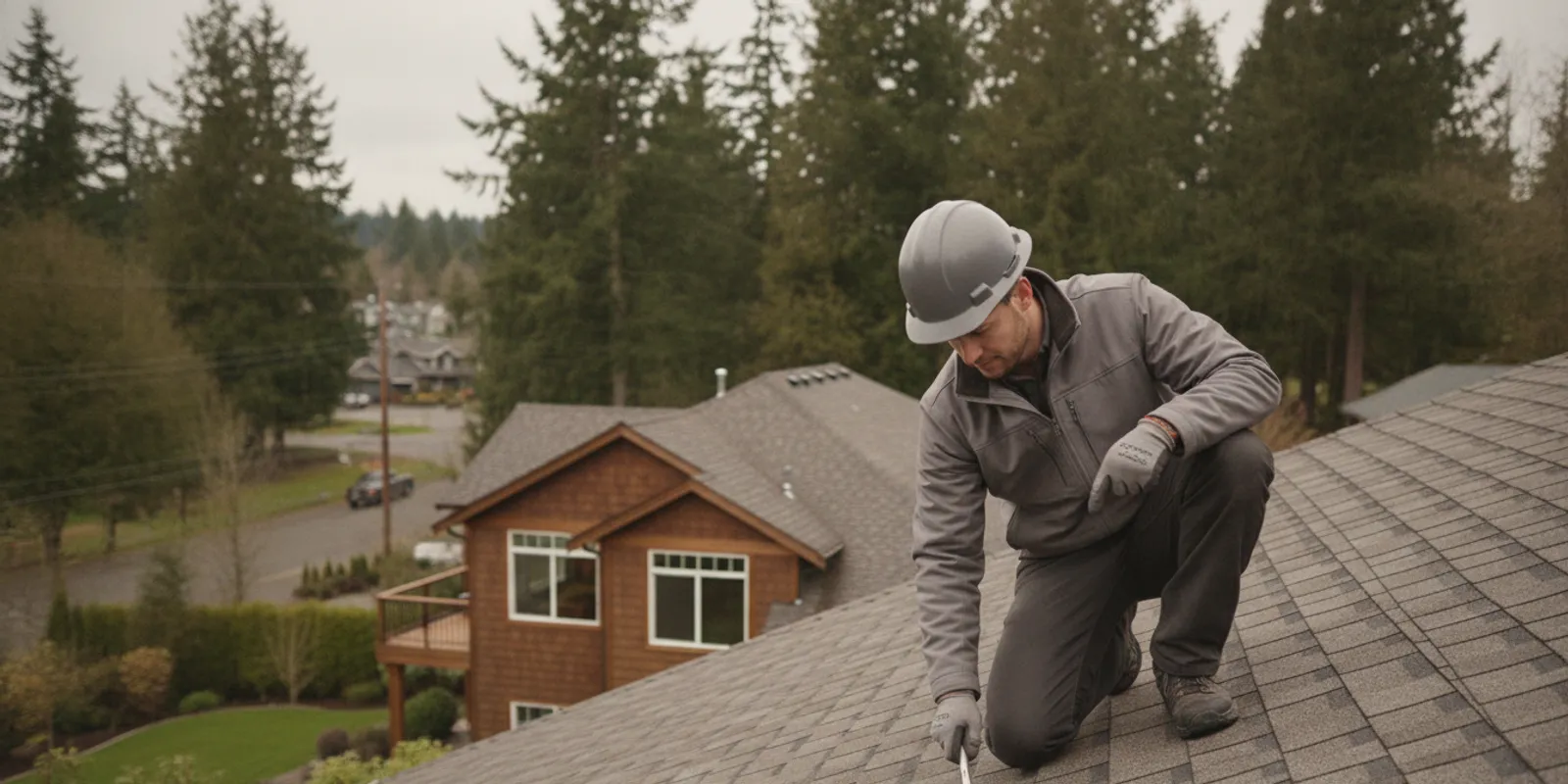
An inspection evaluates the visible condition of a roof and relevant details. The exact scope varies. One visit may focus on a reported leak or a few damaged shingles. Another may document the condition of a larger roof to help a homeowner consider repair or replacement. Before scheduling, ask what the inspector will examine and what you will receive afterward.
Depending on the roof and reason for the visit, a review may include shingles or another roof covering, flashing around transitions, visible drainage details, roof edges, and signs of moisture or wear. An inspection is not automatically a repair estimate, a full construction scope, or a guarantee that concealed conditions will be found. If you need a written repair or replacement proposal, ask whether it is included or is a separate step.
For an overview of residential roof work, see SA Roofing’s roof replacement and repair services. If you have a specific symptom, the guide to roof damage signs visible from the ground can help you organize what you noticed.
Which factors can affect roof inspection cost?
There is no reliable universal price for every roof inspection. Contractor time and the requested deliverable depend on the property and purpose of the visit. Discuss these factors when requesting a quote:
- Roof size and layout.
A larger roof or one with multiple sections, valleys, dormers, and transitions may take longer to review and document than a simple roof.
- Pitch and safe access.
Steep slopes, limited access, or unsafe conditions can change how an inspection is performed. Ask whether the scope involves a walk-on review, ground-level observations, or another method.
- Roofing material and details.
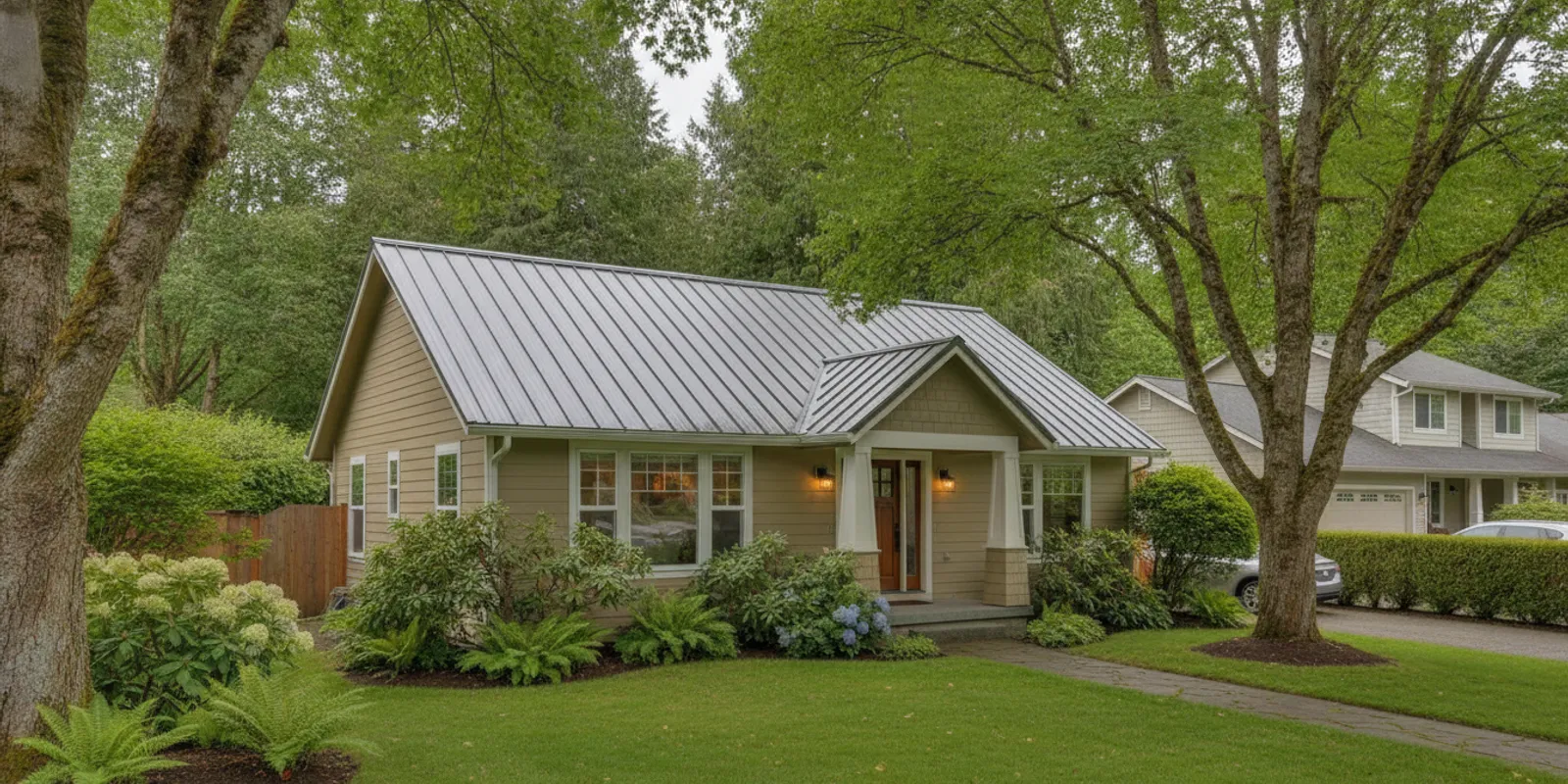
Different coverings and assembly details call for different observations. Skylights, chimneys, vents, and wall intersections add areas to assess.
- Reason for the inspection.
A focused visit to investigate a reported leak may differ from a broad condition review for maintenance planning or a repair-versus-replacement decision.
- Documentation requested.
A verbal explanation, written report, labeled photographs, and repair proposal are different deliverables. Clarify what is included.
- Follow-up needs.
If the visit identifies a possible issue, you may want a separate repair estimate or further evaluation. Confirm whether follow-up is in the initial service or separately scoped.
These factors do not establish a dollar amount. They explain why quotes can differ and help you compare the proposed work. In the Portland area, it is useful to describe when a symptom appears, but weather alone does not identify its source. Water can travel along roof components before becoming visible indoors, so a stain may not line up with the exterior entry point.
How can roof design change the inspection task?
Consider two homes with similar floor area. One has a straightforward roof plane with few penetrations. The other has intersecting slopes, a chimney, skylights, dormers, and valleys. The second layout has more transitions and meeting points to review. That can change the time needed to examine and document the roof, even when the homes seem similar from the street.
Material also changes what a useful review looks like. Asphalt shingles and low-slope systems have different visible details and maintenance questions. When requesting a quote, identify the covering if you know it, but do not guess. Ground-level photos or previous project records may help the contractor understand the situation.
Why do access and weather matter?
A roof may be steep, several stories high, obstructed by landscaping, or difficult to approach safely. The inspection method may differ from a close walk-on review. Ask what method is planned and what its limits are. A ground-level review may identify some concerns while leaving details unconfirmed; the report should make that distinction clear.
Wet surfaces, wind, or poor visibility may make close inspection inappropriate. Ask whether the visit can proceed safely, whether a limited review is possible, or whether a return visit is needed. OSHA provides general information about fall hazards and fall prevention in construction at its fall protection resource. This safety guidance supports careful access planning; it does not define the scope or price of a residential inspection. Access can affect what a contractor can confirm during one visit. Landscaping may block a clear view of an eave, or a roof section may be reachable only with specific equipment. Ask whether the quote assumes safe access to every planned area. If not, find out whether the inspection will document the limitation and whether another method or visit might be considered. A clear description helps you understand whether two proposals are truly comparable. Weather can also change the available method. If a leak appears during heavy rain, record where you see water indoors and when it occurs; do not ask anyone to walk a wet roof. Ask whether initial observations are preliminary and what still needs confirmation before you use the findings to choose a next step.
How can you compare inspection scopes?
Compare the service included rather than looking at a number alone. Ask each provider to describe the purpose, areas reviewed, access method, and written information you will receive. Use this checklist in those conversations.
Inspection need | What to clarify | Useful deliverable to ask about |
Specific leak or visible concern | Which area will be examined? Are nearby transitions included? | Findings, photos if available, and whether a repair estimate is separate |
General roof condition | Which sections and visible details are in scope? | Written summary of observed condition and recommended next steps |
Repair-versus-replacement planning | Will the review address localized repair and broader condition? | Explanation of options, assumptions, and any separate proposal |
Documentation for your records | Are photographs or a written report included? | Copy of findings and inspection date for your home file |
Ask whether the provider charges for the inspection, whether a fee is credited toward later work, and what triggers additional charges. Do not assume a fee is waived or applied unless the terms say so. Request the same basic information from each company: whether the visit focuses on one leak or covers the accessible roof, whether photos and a written summary are supplied, and whether a repair estimate is included or separate.
Then compare answers side by side. A limited visual review and a broader written condition report are not identical services. Neither is automatically better; consider which deliverable answers your question. If you are trying to locate an active leak, a focused assessment may be the immediate need. If you are building a maintenance file or weighing repair against replacement, broader documentation may be more useful.
Ask how unexpected findings are handled. Will the contractor pause and explain any added scope before doing work beyond the agreed visit? Will you receive photos or a written explanation? Get clear answers before scheduling. SA Roofing’s guide to what to expect from a roofing estimate can help distinguish an estimate conversation from an inspection request.
What should you prepare before the appointment?
A little preparation can make the visit more useful. You do not need to climb onto the roof. Write down what you have seen and when it happened.
Note the room or area where you noticed a leak, stain, draft, or other concern.
Record when the issue appeared and whether it changes during or after rain.
Take ground-level photos of visible concerns, if safe.
Gather prior repair paperwork or roof replacement records if available.
Tell the inspector about attic access or areas that may be difficult to reach.
List questions, such as whether a repair appears localized or a broader evaluation is appropriate.
If water is entering the home, protect belongings and address immediate indoor safety concerns. Avoid walking on a wet or steep roof. If safe, put a container under a drip and move valuables away. Note whether the leak occurs during rain, after rain, or under particular conditions. Do not open ceilings or disturb wet electrical fixtures; seek qualified help if there may be an electrical or structural concern.
Prepare a short timeline rather than trying to diagnose the roof yourself. Write down when you first noticed the issue, whether it has happened more than once, and any work done nearby. Share what you know about the roof’s age and material, but mark uncertain details as unknown. This keeps the inspection focused on evidence rather than assumptions. For a practical starting point, read roof leak response tips for Portland homeowners.
What questions should you ask about the findings?
Ask the provider to separate what was observed from what is suspected. A clear explanation identifies the location of a concern, why it matters, and what options may be considered. If a recommendation involves further work, ask what evidence supports it and whether the proposed scope can be reviewed in writing.
Which areas were inspected, and were any areas inaccessible?
What did you observe directly, and what could not be confirmed?
Can you show me the location in a photo or explain it from the ground?
Is the next step monitoring, a repair estimate, or a broader replacement discussion?
What is included in the next proposal, and what conditions could change its scope?
Are workmanship or material warranty details available in writing for proposed work?
A sound conversation leaves room for questions and a considered decision. If the roof needs work, compare written recommendations and ask for plain language about materials, installation, exclusions, and warranty terms. Review SA Roofing’s questions to ask before approving a roof estimate and its homeowner’s guide to roof replacement.
How can you use the findings to choose a next step?
Sort the information into three groups: what the inspector observed, what could not be checked, and what action is recommended. This keeps a visible defect separate from a possible cause or an assumption about hidden conditions. If the report uses technical terms, ask for a plain-language explanation and the location of each item. You should understand why a recommendation follows from the observations.
For example, if a small area of damaged covering is documented and the surrounding roof appears accessible and in serviceable condition, ask whether a localized repair is reasonable and what it would address. If the concern appears in several areas or the inspection could not establish the condition beneath the surface, ask what additional evaluation is needed before choosing repair or replacement. These are questions, not conclusions to draw from a photograph alone.
Ask for proposed work in writing before authorizing it. A useful proposal identifies the area and work included, materials where applicable, exclusions, assumptions, and what could change the scope once work begins. An inspection finding and a construction proposal serve different purposes: the first records an assessment; the second describes work, terms, and price. Compare proposals using the same questions and take time to review the answers.
Does an inspection always lead to repair or replacement?
No. An inspection can provide information without requiring you to authorize work. Findings may support monitoring, a targeted repair, or further planning. The right path depends on observed condition, the extent of any issue, and your priorities. Ask for the reasoning behind each recommendation and take time to review it.
Some conditions are not visible during a limited inspection. If a contractor identifies a need for additional evaluation, ask what remains uncertain and what the next step is intended to establish. This avoids treating an initial observation as a complete account of every roof component.
Frequently asked questions
Can I compare roof inspection cost quotes directly?
Only after comparing scope. Check whether each quote covers the same areas, access approach, documentation, and follow-up. A lower number may describe a narrower service, so ask for details in writing.
Should I ask for a written inspection report?
If you need a record for planning, future maintenance, or a repair discussion, ask whether a written summary and photographs are available. Confirm what the document includes before the visit.
Can I inspect the roof myself to save time?
You can note visible concerns from the ground, but climbing onto a roof can be dangerous, especially when it is wet or steep. Leave close inspection to someone equipped to assess it safely.
What if the inspection finds damage?
Ask the provider to explain the location, evidence, and possible next steps. If a repair or replacement proposal is recommended, request a written scope and review it at your own pace.
A clear inspection conversation should help you understand what was checked, what remains uncertain, and which next step fits your home without pressure.

Comments