


A roofer perspective: What should Beaverton homeowners consider before choosing metal roofing

Choosing metal roofing in Beaverton starts with more than picking a color. The right decision depends on your existing roof, the look you want, how the system will be installed, and what the written scope includes. This guide walks through those considerations so you can compare options without rushing into a material choice.
Start with the roof you have, not a sample board
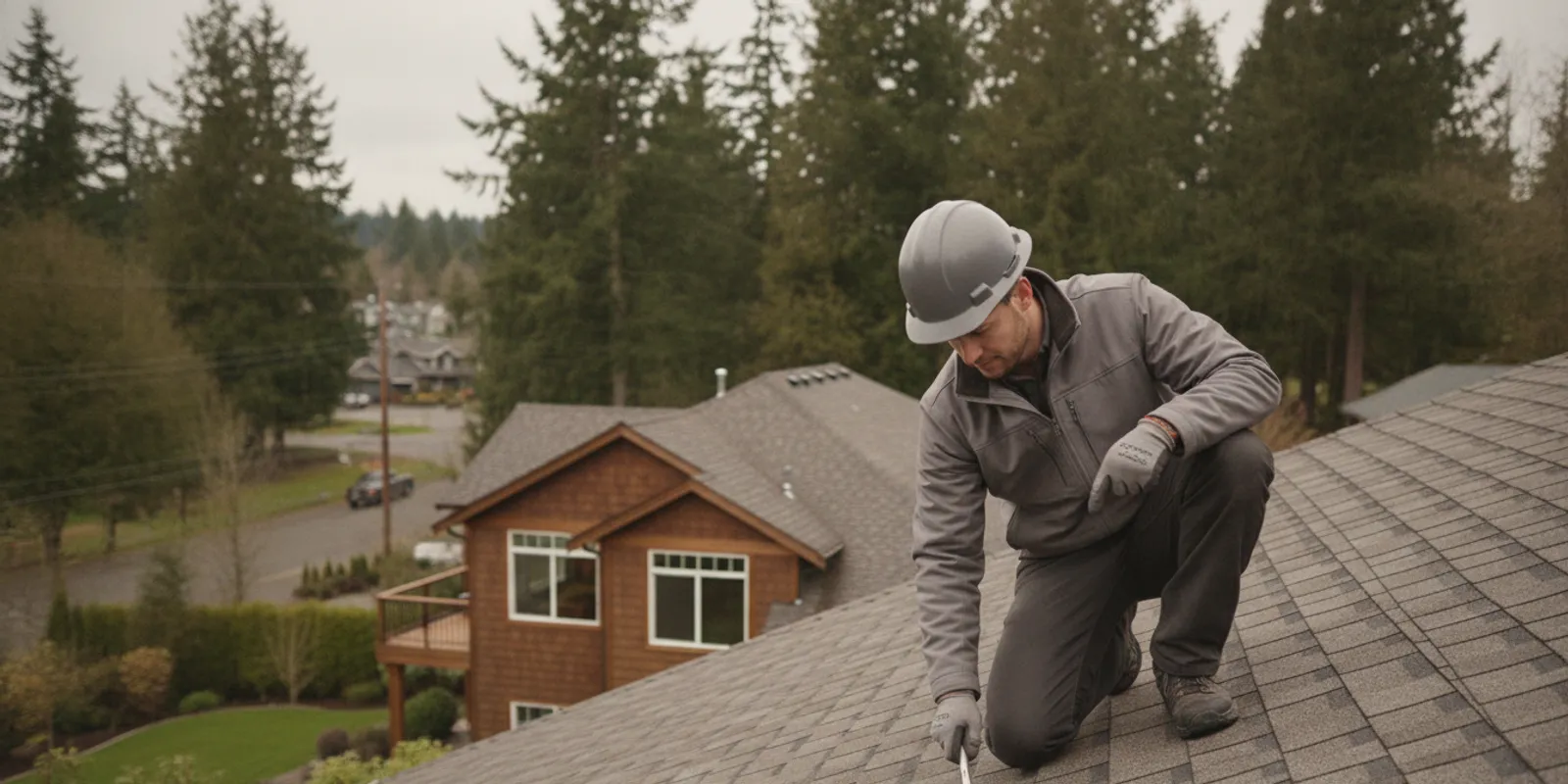
A metal panel may look straightforward on a showroom sample, but each roof has its own geometry and condition. Before settling on a system, establish what the existing roof needs. Is it nearing the end of its useful service, or is there a specific leak or damaged area that may be repairable? Are the roof deck, edges, valleys, and penetrations in condition to support the proposed work? A material conversation is more useful once those questions are answered.
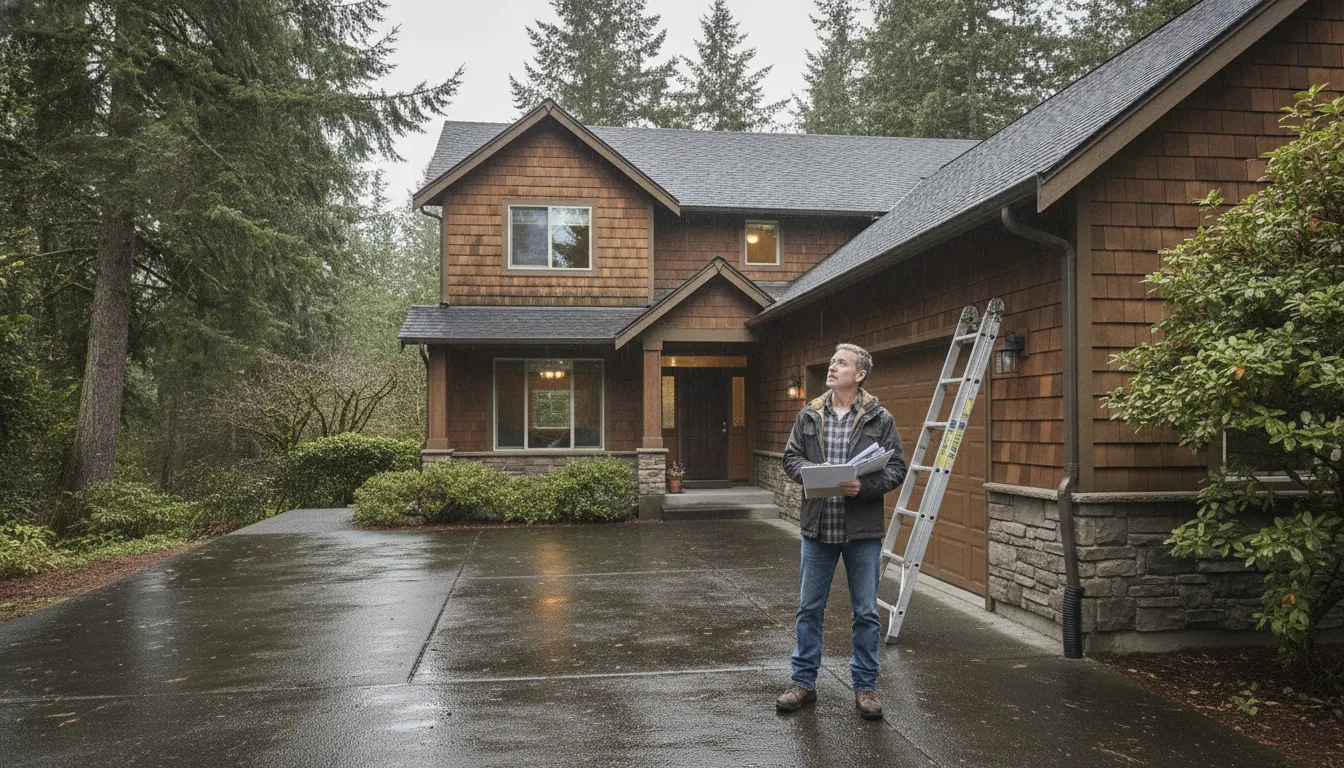
Ask the roofer to explain what can be seen from the ground and what needs a closer inspection. The recommendation should distinguish visible wear from conditions that cannot be confirmed until the roof is examined more closely or existing materials are removed. If a replacement is proposed, ask what findings would change the scope and how any additional work would be discussed and priced before proceeding.
If you are still deciding between a repair and replacement, compare the options in this roof repair or replacement guide. For a broader overview of available work, the SA Roofing roofing services page describes the company's residential roofing scope.
Does the roof shape suit metal?
Roof shape affects how a metal system can be laid out and detailed. A simple roof with broad, uninterrupted planes may offer a more direct panel layout. Roofs with several valleys, dormers, short transitions, skylights, chimneys, or other penetrations need more planning around seams and flashing. These features do not automatically rule out metal. They do make it important to understand how the proposed system handles each transition.
Ask for the roofer to identify the main roof planes and explain where panels, seams, edges, and trim will land. Have them point out areas where water is directed from one plane to another. Valleys and roof-to-wall intersections deserve particular attention because the design must manage water while accommodating the materials and details used there.
Pitch is another consideration. The suitability of a particular metal system depends on its specifications and the shape of the roof, not just the word “metal.” Ask the contractor to confirm that the proposed product and installation details are appropriate for your roof. If the home has a low-slope section, make sure it is explicitly included in the inspection and scope rather than assuming the main roof recommendation applies to every surface.
Ventilation and the roof assembly should be considered as part of the whole project, too. A new outer covering does not automatically correct an attic ventilation or moisture concern. If ventilation is part of the recommendation, ask what was observed and what work is proposed. SA Roofing has a practical primer on roof venting and why it matters.
Compare appearance in the context of the house
Metal roofing can read as contemporary, traditional, or utilitarian depending on the profile, finish, color, and the rest of the exterior. Look at a full-size or representative sample outside if one is available. A small indoor sample can look different in cloudy daylight, direct sun, or against the siding and trim already on your home.
Think about how the roof will look from the street and from nearby rooms. Consider the roof's visual area, the color of the siding, window frames, gutters, and any additions. If the home is in a neighborhood with design guidelines, a homeowners association, or local review requirements, confirm the applicable rules before choosing a finish or ordering materials. Do not assume that a style allowed on one home is automatically acceptable on another.
Ask how the proposed finish and exposed details are expected to appear after installation. Request an explanation of the trim, ridge, eaves, and transitions, not just the panel color. Photos of completed work can help you understand a contractor's finish quality; browse the SA Roofing project gallery as one way to see examples of roofing work.
Understand the system and the installation plan
“Metal roof” covers different products and attachment approaches. For example, standing-seam systems have raised seams, while some panels use visible fasteners. Product details vary, so compare the specific system being proposed rather than treating all metal roofs as interchangeable. Ask for the manufacturer's product information and the written installation scope. Make sure you know which components are included and which conditions are excluded or still need inspection.
Here are useful questions to take to an estimate conversation:
What exact panel or roofing system are you proposing, and what roof conditions make it a fit?
How will the system be detailed at valleys, edges, ridges, walls, skylights, vents, and chimneys?
What underlayment, flashing, and related components are included in the scope?
Will the existing roof be removed, or is another approach being considered? Why?
What inspection findings might change the work, and how will changes be approved and priced?
Who will perform the installation, and who is responsible for communication during the job?
What product and workmanship warranty documents apply, and what conditions or exclusions should I understand?
How will access, schedule changes, and cleanup expectations be handled? Ask to have cleanup confirmed in writing before work starts.
A clear proposal should make it possible to compare the same work across contractors. Look for the material description, areas covered, removal and preparation assumptions, flashing and ventilation scope, disposal arrangements, schedule expectations, payment terms, and warranty information. If something is not specified, ask for clarification in writing. SA Roofing's roof estimate question guide offers more points to review before approving a project.
What should you compare besides the panel?
Metal can be a sound candidate for some homes, but the name of the material alone does not tell you whether a proposal is complete or suitable. Compare each system and estimate against your home, the specific installation details, and your plans for the property.
Option or factor | What to examine | Useful question |
Standing-seam metal | Panel layout, seam locations, transitions, finish, and product-specific requirements | How will the seams and trim be arranged on my roof? |
Exposed-fastener metal | Fastener placement, product instructions, roof geometry, and ongoing inspection needs | What should I know about checking and maintaining this specific system? |
Asphalt shingles | Available appearance, roof condition, scope, ventilation, and product documentation | Would shingles meet my goals with a simpler or better-fitting plan? |
Any proposal | Preparation, flashing, removal, change process, schedule, cleanup, and warranty documents | Can I compare the full work scope line by line? |
Initial project cost is one comparison point, but avoid comparing a material-only figure with a complete replacement proposal. Roof complexity, preparation, product selection, access, and included work can all affect an estimate. Ask what accounts for the difference between proposals and whether each contractor is pricing the same areas and details. For a general planning reference, SA Roofing's metal roofing cost guide discusses cost considerations; actual pricing needs to be based on the home and written scope.
Plan for maintenance and the Portland-area setting
Beaverton's wet-season weather makes water management an important part of any roof decision. The roof system, flashing, gutters, and downspout discharge work together to move water away from the home. When comparing materials, ask what routine visual checks are appropriate and which conditions should prompt a professional inspection. Do not assume that a particular surface is maintenance-free.
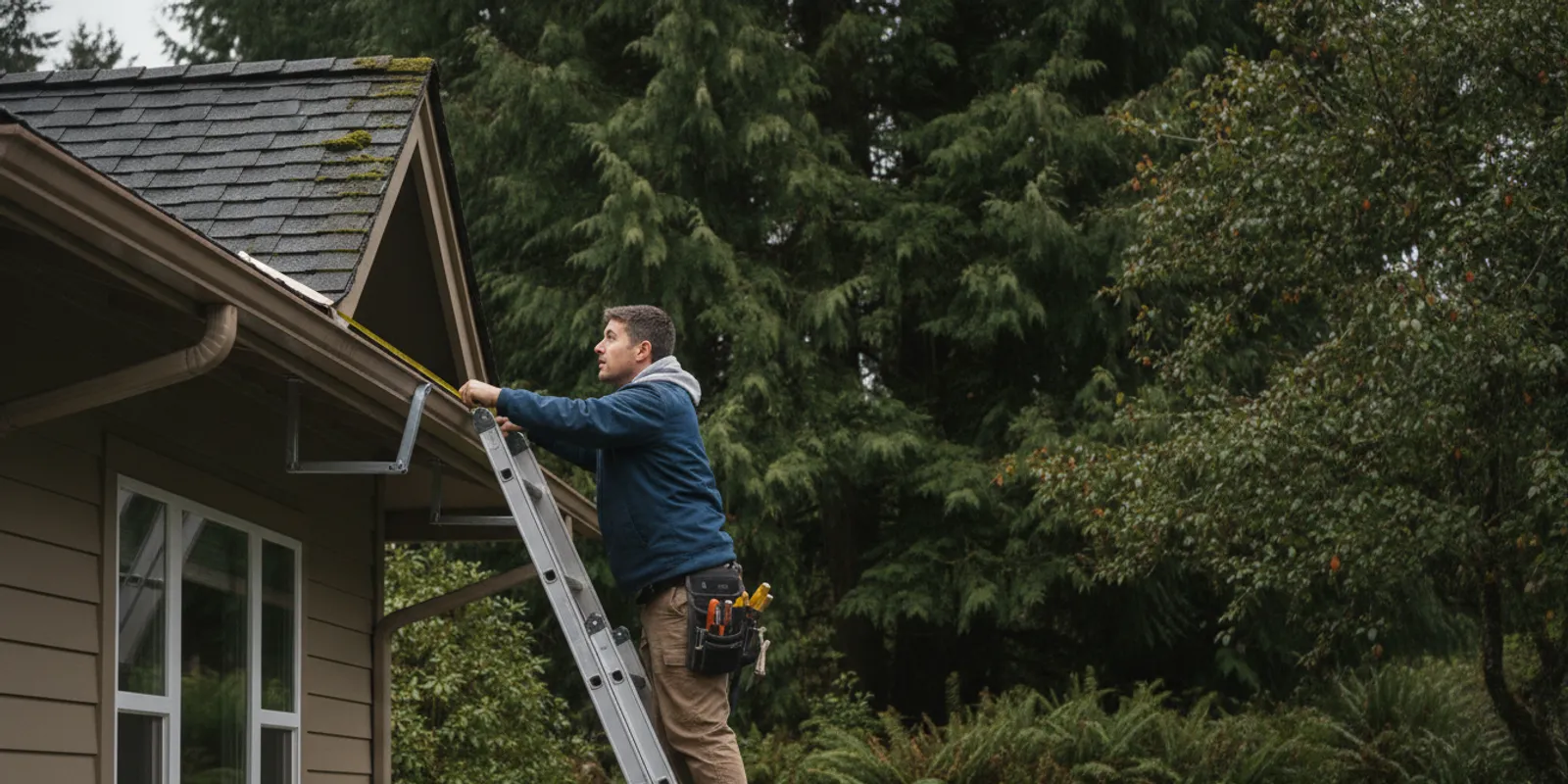
Keep access and nearby trees in mind. Branches, leaves, and debris can affect roof and gutter upkeep regardless of the covering. From the ground, note places where debris collects or where water appears to overflow, and raise those observations during an assessment. Avoid walking on a roof to inspect it; roof surfaces can be hazardous, and an untrained person may damage the material.
If wildfire exposure is part of your property's risk picture, assess the broader home and site rather than assuming one roofing material resolves the issue. A Federal Emergency Management Agency research paper examines how homeowners value reducing wildfire damage to property; it is not a metal-roof product recommendation. Read the FEMA research paper on preventing wildfire disasters as context for considering risk reduction as a broader planning question.
Ask the roofer to explain any maintenance recommendations for the exact product being considered and to identify the documents that support them. Keep the estimate, product details, installation records, and warranty papers together after the work. For an overview of what to retain, see this guide to roof replacement records.
When might another material be a better fit?
Metal may not be the best answer for every home or homeowner. Another material may make more sense if its appearance fits the house better, if the proposed metal system does not suit a roof detail, or if the overall written scope and budget do not align with your priorities. Your plans matter as well: consider how long you expect to stay, how much you value a particular look, and whether you are comfortable with the specific system's care requirements.
Ask the roofer to explain at least one alternative when there is a credible option. A useful comparison explains the tradeoffs for your particular roof rather than making a broad claim that one material is always better. For asphalt roofs, review the asphalt roof homeowner guide and compare the relevant scope, appearance, and product information with the metal proposal.
Also ask what the recommendation is based on. If the explanation relies on a feature you value, ask to see where that feature appears in the product documents or written estimate. If you cannot tell what is included, request a plain-language explanation before making a decision. A professional, low-pressure conversation should give you room to compare and decide at your own pace.
How can you make a careful decision?
Use a simple sequence: document what you want from the roof, arrange an assessment, identify the condition and roof details, compare specific systems, then review complete written proposals. Keep the questions and answers together so you can evaluate contractors on the same basis.
- Write down your priorities.
Note appearance, project timing, maintenance preferences, budget boundaries, and any leak or roof-condition concerns.
- Get the roof evaluated.
Ask what was inspected, what remains uncertain, and whether repair or replacement is being considered.
- Compare complete scopes.
Match the areas, preparation, flashing, related work, and process for changes.
- Verify the product details.
Review product documents, installation requirements, and applicable warranty terms.
- Choose when the plan is clear.
If information is missing, ask for it in writing before approving work.
SA Roofing serves homeowners across the Portland metro area and describes its approach as straightforward and low-pressure. Homeowners can learn more about SA Roofing, review the company's residential roofing information, or request a written estimate to discuss their roof.
Frequently asked questions
Is metal roofing a good choice for every Beaverton home?
No single roof covering is right for every home. Roof shape, existing conditions, appearance goals, product requirements, project scope, and budget all matter. Ask a roofer to assess your roof and explain why a particular system fits it.
Can metal roofing be installed on a complicated roof?
Some complex roofs can use a metal system, but the design and detailing need careful review. Ask how the proposal handles valleys, dormers, penetrations, roof-to-wall areas, and low-slope sections, and have the system's suitability confirmed for those conditions.
Does metal roofing mean no maintenance?
No. The appropriate checks depend on the product and installation, and gutters and drainage still need attention. Ask for product-specific maintenance guidance and keep the documents provided with the completed project.
What should I bring to a roofing estimate?
Bring your questions, any known leak or repair history, photos taken safely from the ground, and your priorities for appearance and project scope. Ask for the proposal to identify the system, included work, exclusions, change process, schedule expectations, and warranty documents.
Metal roofing can be a good fit when the system, roof details, written scope, and homeowner priorities line up. Take time to compare the full plan and choose the option you understand and feel comfortable approving.
Comments