


Beaverton Roof Materials: Maintenance Questions

When comparing roof materials for a Beaverton home, look past color and initial appearance. Consider how the roof is built, what maintenance questions matter for your house, and what a contractor can verify during an inspection. Portland-area wet, moss-friendly conditions make it useful to ask how water moves across the roof and how its condition will be evaluated. No single material is best for every home.
Why connect roof materials with maintenance?
A material decision affects more than appearance. Roof shape and slope, flashing details, penetrations, drainage, and the existing roof’s condition all influence what a contractor needs to inspect and explain. A material name alone cannot tell you whether a particular roof needs repair or what upkeep it requires.
Beaverton’s damp conditions can support moss growth, but that does not establish that one material is immune to moss or requires a particular cleaning routine. Ask the contractor to assess your roof rather than relying on a generic schedule. Find out how moisture-related concerns will be evaluated and what visible signs should prompt a closer look.
SA Roofing provides residential roof replacement, repairs, inspections, and estimates. Its consultation process includes evaluating the current roof, discussing homeowner preferences, explaining material and installation options, and providing a quote. That connects product discussion with the condition of your own roof. Start with the practical local overview in the Beaverton roof replacement guide, then consider the maintenance questions below.
What should you ask about the roof you have now?
Before debating products, establish what is known about the existing roof. Ask what the contractor observed, which areas need attention, and whether the proposed work is a repair or replacement. If a recommendation depends on an assumption—such as the condition of the roof deck beneath the current covering—ask how that uncertainty will be handled and documented.
- Where are the concerns?
Ask the contractor to identify the roof sections, edges, valleys, flashing, or penetrations that merit attention.
- What is visible, and what is not?
Distinguish observations made during the visit from conditions that can only be confirmed once work begins.
- How does water leave the roof?
Discuss slope, drainage paths, gutters, and any locations where water may collect or flow differently.
- What is included in the recommendation?
Request a plain-language explanation of repairs, replacement areas, and work that is not part of the scope.
- What should I monitor afterward?
Ask for safe, product-specific guidance about signs that warrant a professional assessment.
These questions keep the decision tied to the actual home. They also help you avoid treating a material comparison as a substitute for understanding the roof’s present condition.
How do common roof systems change the conversation?
SA Roofing lists asphalt composition roofing and flat-roof systems including TPO, Torch Down, and Owens Corning Deck Seal. Their properties and installation details differ. The comparison below is a framework for questions, not a ranking, cost comparison, or maintenance schedule. The exact product, assembly, roof layout, and written instructions matter.
Roof system | Maintenance questions to discuss | Details to confirm in writing |
Asphalt composition shingles | How will shingle condition, edges, flashing, and areas where water may collect be assessed? | Which product is proposed, what layers and details are included, and what care guidance applies to that product? |
TPO flat-roof system | How will seams, edges, drains, and penetrations be evaluated on this roof? | How the system is attached and finished, and what product-specific maintenance information is provided. |
Torch Down flat-roof system | Which areas are important to observe for wear or water-management concerns? | Which layers and details are included, and how the system is installed for this project. |
Owens Corning Deck Seal | Which inspection points apply to the proposed assembly and roof layout? | The exact product and installation scope, plus applicable written care and warranty information. |
SA Roofing describes asphalt shingles as popular, economical, available in styles that work with many architectural designs, and durable across a wide range of temperatures and weather conditions. Those general attributes do not determine the life or upkeep of a particular roof. Ask how the selected product, existing roof, and installation plan fit together. The roof shingles guide can help you prepare more questions about this category.
What does a material label leave unanswered?
A system name is only a starting point. Two proposals that use the same broad material category may still differ in the product selected, roof areas covered, preparation, flashing details, and installation scope. Those differences affect what you can reasonably expect from the work and what documents you should keep.
For each proposed system, ask the contractor to identify the product and describe the assembly in everyday language. Ask how transitions are handled where the roof meets a wall, chimney, vent, skylight, or another roof section. Ask whether existing layers will be removed or covered, and what findings could change the scope. If the answer is conditional, have the condition and the process for discussing it recorded in the estimate.
Then ask what maintenance guidance comes from the product’s written documentation and what is general advice. This distinction matters: general observations about a damp region do not create a safe cleaning method or a reliable schedule for every roof. Written product instructions and an inspection of the actual assembly are more useful than a broad claim that a particular material never needs attention.
What should you ask about moss and moisture?
Moss can change a roof’s appearance, but appearance alone does not establish the underlying condition. Do not walk on the roof to inspect it. From the ground, note visible growth, debris, or water overflow, then share what you see with a roofing professional. You can also note which side of the home or roof section appears affected.
Ask whether the contractor sees only growth or also signs of damage that need attention. Discuss shaded areas, drainage, and details around penetrations. Do not assume one cleaning method suits every roof; request product-specific guidance and have proposed work described before approving it. If a cleaning recommendation is offered, ask what material it is suitable for and what precautions apply.
For general homeowner information, the U.S. Environmental Protection Agency provides mold and moisture resources. These resources support awareness of moisture in the home, but they do not prescribe roof cleaning or establish which roofing material suits a property. For the roof itself, rely on an assessment of the specific assembly.
How can you compare maintenance claims in estimates?
Ask each contractor to put the same basic information in writing. A useful estimate makes it possible to compare the work, not just the material label. SA Roofing describes its bids as laying out costs and markups on products and labor. You can ask any contractor to clarify scope and identify exclusions before deciding.
- Match the roof areas.
Check whether each estimate addresses the same sections and whether removal, disposal, underlayment, flashing, and ventilation assumptions are clear.
- Identify the products.
Look for specific product names or descriptions rather than a broad category alone. Ask where written care instructions and warranty terms can be reviewed.
- Separate observations from promises.
Ask which maintenance statements come from product documentation and which are general guidance. Be cautious with absolute claims that are not supported by written material.
- Clarify unknown conditions.
Ask what happens if the contractor discovers concealed damage or a different roof-deck condition. The proposal should explain how changes will be discussed before additional work proceeds.
- Review coverage documents.
Request applicable manufacturer and installation warranty documents. Confirm what is covered, for how long, and what conditions apply; do not rely on a verbal summary.
- Confirm communication and cleanup terms.
Ask who will answer questions during the project and have cleanup expectations confirmed in writing before work starts.
Use the roofing services page to review SA Roofing’s roofing scope, the about page for company background, and roofing project examples for visual context. These pages do not replace a property-specific written proposal.
How does the roof layout affect upkeep questions?
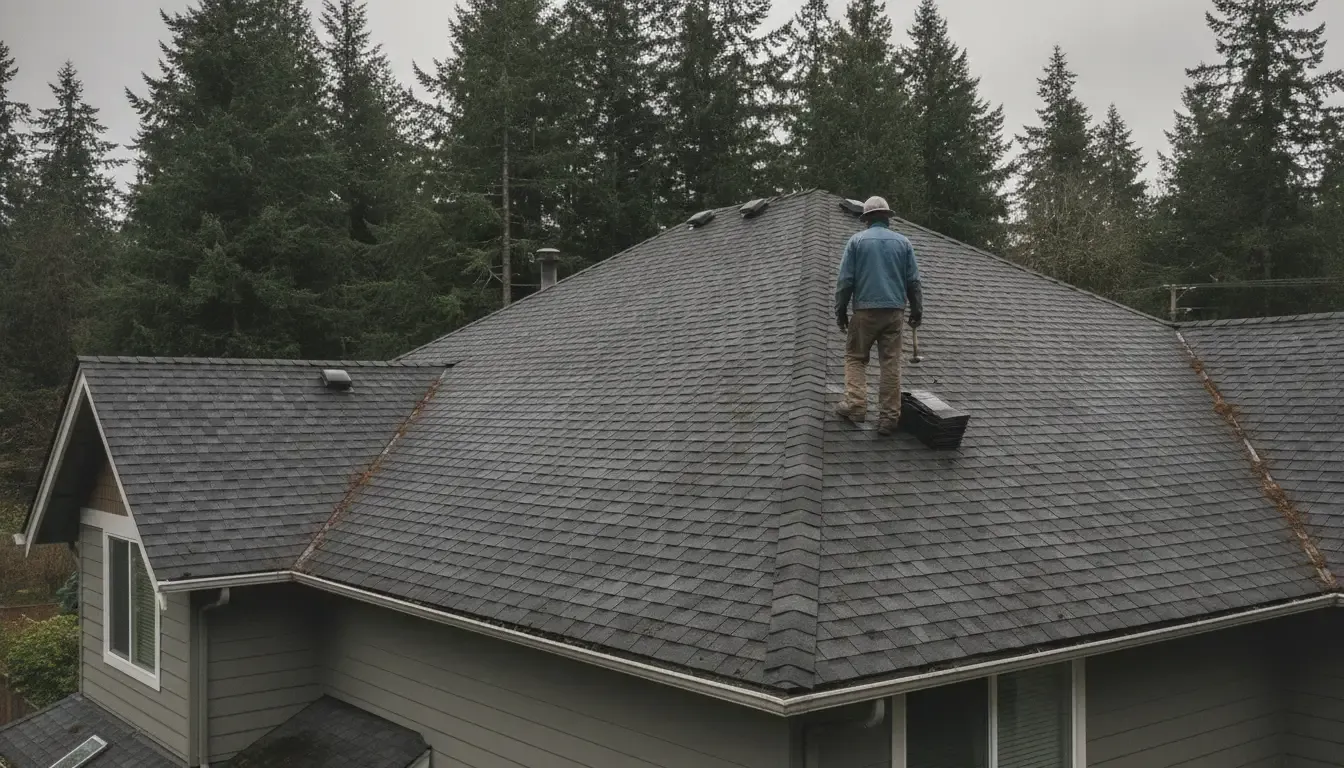
Maintenance discussions should account for where the roof changes direction or meets another building feature. Valleys, edges, penetrations, and drainage points are useful places to ask about because they are part of the roof’s water-management details. This does not mean a homeowner should climb up to inspect them. Ask the contractor to explain what was visible and what areas require professional access.
For a simple example, imagine two homes choosing the same shingle category. One has a straightforward roof plane; the other has several valleys, penetrations, and transitions. The product label is the same, but the inspection conversation and proposal details may differ. Ask what the contractor observed in each area, how the specified assembly addresses it, and what written guidance applies after installation.
Gutters also affect where water is directed after it leaves the roof edge. If you have noticed overflow, blocked drainage, or water staining near the eaves, mention it during the visit. Ask whether it is part of the roofing scope or a separate issue. The gutter overflow guide offers prompts for describing what you have seen without assuming the cause.
How can you prepare for a roof inspection?
You do not need to climb onto the roof or diagnose a problem before requesting an inspection. Prepare a short list of what you have noticed and when it appeared. If you have seen a ceiling stain, a leak during rain, or changes around gutters, note the location and related observations. Photos taken safely from indoors or the ground can help explain what prompted your call.
Bring questions about your priorities, such as appearance, repair needs, a planned replacement, or maintenance information you want after installation. Ask the roofer to explain the current condition and options in straightforward terms. If the visit leads to a recommendation, request a written scope and enough detail to understand why it fits your home.
Review questions for choosing a roof inspector, see residential roofing information, or learn what to expect from a roofing estimate. These resources can help you organize the conversation before a visit.
What should you keep after the work?
Once you choose a system, keep the paperwork that explains what was installed. Save the estimate, final scope, product information, applicable warranty documents, and any written care recommendations together. If the contractor explains how to request service or ask a question later, keep that information with the project records.
These records make future conversations more specific. If you notice a change, you can describe the roof system and refer to the documents rather than relying on memory. They also help a future inspector distinguish the original plan from any later repair or alteration. The roof replacement records guide offers a separate checklist for organizing that information.
Do not treat a warranty as a substitute for understanding its terms. Review what it covers, what exclusions or maintenance conditions apply, and how to contact the appropriate party. If the documents are unclear, ask for an explanation before filing them away.
Frequently asked questions
Does one roof material need less maintenance in Beaverton?
The available facts do not establish a universal maintenance winner. Roof design, installation, product details, exposure, and current condition all matter. Ask for guidance tied to the specific system and your home.
Should I arrange roof cleaning to prevent moss?
Do not assume one cleaning approach suits every roof. Ask a roofing professional to assess it and explain safe, product-appropriate options before arranging work.
Can I compare estimates by material name alone?
No. Compare the complete scope, product details, labor, flashing and ventilation work, exclusions, and written coverage. Similar material labels can still refer to different proposed work.
What should I do if I see a leak?
Protect the area indoors if needed, note where and when water appears, and contact a roofing professional for an assessment. Avoid climbing onto a wet or damaged roof.
Talk through your roof before you choose
Roof materials are easier to compare when the conversation begins with your roof’s condition and layout. A clear inspection and written proposal can help you understand the maintenance questions, installation details, and tradeoffs without pressure to choose before you are ready.
Contact SA Roofing for a low-pressure conversation about your Beaverton roof and an evaluation of options that fit its needs.

Comments