


How to Choose a Roofing Contractor in Portland Oregon

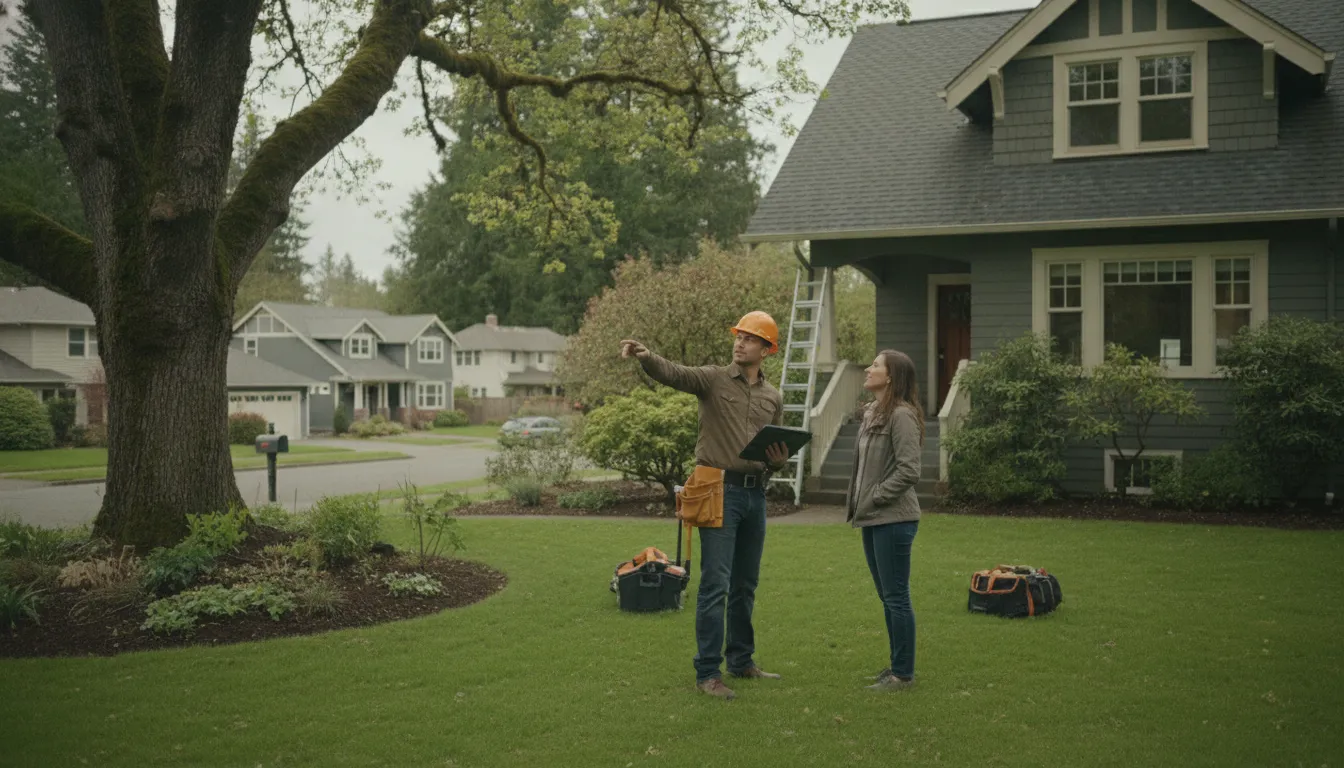
Learning how to choose a roofing contractor in Portland Oregon starts with more than comparing a few numbers at the bottom of an estimate. You are choosing the person responsible for protecting your home through wet seasons, wind, moss-friendly conditions, and years of changing weather. The right contractor should make the decision easier by explaining the roof's condition, documenting the work, and answering reasonable questions without pressure.
Request a roofing estimate when you are ready to discuss your roof and options without committing to a project.
Quick answer: Check the contractor's Oregon license and insurance, confirm who will perform the work, and compare detailed written scopes. Read reviews for patterns rather than star counts, ask about materials and warranty responsibilities, and judge the quality of communication before signing. A trustworthy roofer will give you enough information to make an informed decision.
Start with credentials you can verify
Credentials are the first filter because they help you separate a real, accountable business from a contractor who is difficult to identify after the work begins. In Oregon, the Construction Contractors Board, or CCB, provides a public license search. The CCB says the most accurate search uses a contractor's license number, which contractors must include in advertising such as websites and business cards. You can also search by business name or telephone number, although spelling and punctuation can affect the results.
Ask each contractor for the legal business name and CCB license number. Then check the information yourself at the Oregon CCB license search. Look for the current status, business name, and any information that raises a question about who is actually contracting with you. If the business name on the estimate does not match the business name you researched, ask why before moving forward.
Licensing is not a substitute for good workmanship, but it is an important baseline. It gives you a way to identify the contracting business and creates a starting point for due diligence. Do not rely only on a logo, a vehicle wrap, or a polished website. Verify the entity that will appear on your contract.
Ask for insurance documentation
License status and insurance answer different questions. A license relates to the contractor's authorization and business record. Insurance relates to financial protection if an accident, property damage, or another covered event occurs during the work. Ask whether the contractor carries general liability insurance and workers' compensation coverage, and ask for current documentation before work begins.
The New Hampshire Insurance Department's guidance on verifying contractor insurance explains why homeowners should confirm appropriate coverage rather than assume it exists. It notes that general liability coverage is designed to address bodily injury, property damage, and legal defense costs arising from contractor operations. It also recommends confirming products and completed operations coverage, which can apply to defects or damage that appear after a job is finished.
You do not need to become an insurance expert. Ask for the insurer's name, policy dates, and the types of coverage in place. If you want stronger confirmation, ask the contractor to have the insurance agency provide a certificate of insurance directly. A contractor who cannot answer basic coverage questions clearly deserves additional scrutiny.
Confirm business identity and accountability
A contractor should be willing to tell you who is responsible for the agreement, where the business is based, and how you will reach the company after installation. A physical office is not proof of quality, but an identifiable business and a clear contact process make follow-through easier. Be cautious when a salesperson cannot explain the legal business name, the contracting entity, or who will answer questions after the project is complete.
Also ask whether the company works throughout the Portland metro area and has experience with homes similar to yours. Service territory matters because a contractor who does not normally work in your area may be less familiar with local conditions. Consider scheduling realities and the expectations of the local building department, and confirm project-specific permit questions with the authority having jurisdiction.
A Portland Homeowner's Guide to How to Choose a Roofing Contractor in Portland Oregon
Portland-area roofs handle wet weather, moss-friendly conditions, and occasional wind. The home matters too. Older neighborhoods may include multiple roof layers, past repairs, unusual slopes, additions, skylights, or ventilation details that affect the scope of work.
When a contractor evaluates your roof, listen for whether the explanation is specific to your home. A useful consultation should cover the current roof, your concerns, likely problem areas, material options, and the installation process. It should not be a generic pitch that jumps straight to a product package without explaining what the roof needs.
Ask the contractor to distinguish between an isolated repair, a broader repair program, and replacement. A roof with one damaged flashing detail may need a different response from a roof with widespread deterioration. You are not asking the contractor to promise that a repair will last forever. You are asking for a clear explanation of the available paths, the risks of each path, and what the contractor observed.
Look for a roof-specific inspection and explanation
Before comparing estimates, make sure each contractor is looking at the same problem. Ask what was inspected, whether the attic or roof ventilation was considered when relevant, and whether the contractor documented damaged areas with photographs or another clear record. Ask which findings are urgent, which can be monitored, and which recommendations are optional improvements.
A useful inspection does not need to overwhelm you with technical terms. The contractor should be able to explain how water moves across the roof, where flashing is important, how ventilation affects the system, and why certain materials are being recommended. If the explanation is so vague that you cannot tell what work is proposed, the estimate will be difficult to compare.
Portland weather is a reason to take roof condition seriously, but it is not a reason to accept pressure. A contractor may explain how rain affects scheduling or how moss and moisture can influence maintenance. That information should help you plan. It should not be used to force a same-day decision.
Match the contractor to the project
Not every roofing company is the right fit for every project. Some contractors focus on repairs, some mainly install replacement roofs, and some offer a wider set of exterior services. Ask whether the company regularly handles your roof type, the size of the project, and any features that make your home different from a simple roof plane.
SA Roofing's documented residential roofing scope includes roof replacement, re-roofing, repairs, inspections, and estimates. The company serves homeowners from its Tigard base across the Portland metro area and nearby Oregon and Washington communities. You can review its residential roofing services before a consultation so you have a better sense of the work to discuss.
The point is not to choose a contractor because it lists the longest menu of services. Choose a company that can explain the service you need, identify its limits, and tell you what happens next.
How to Choose a Roofing Contractor in Portland Oregon: Compare Estimates
A roofing estimate should let you compare the work, not just the total. If two bids describe different scopes, the lower number may not represent the lower cost for the same result. Ask for a written proposal that explains the roof areas included, the materials specified, the labor, the preparation, the timeline assumptions, and the cleanup.
At a minimum, look for these elements in writing:
The areas of the roof included in the project.
Removal and disposal of existing materials, if applicable.
Underlayment, flashing, ventilation, and other system components included or excluded.
The specific material type and product line, when selected.
Labor responsibilities and whether subcontractors will be used.
Permit responsibilities and any homeowner decisions required.
Protection for landscaping, siding, windows, driveways, and other property.
Payment schedule, change-order process, and conditions that could alter the scope.
Cleanup standards and the final walkthrough process.
Manufacturer warranty information and separate workmanship coverage details.
Ask questions when an estimate uses broad phrases such as complete roof system or standard installation without explaining what those phrases include. Clear language protects both sides. It also makes it easier to compare two proposals fairly.
Compare value, not just the lowest number
The lowest estimate may be reasonable, but it should not win automatically. A low bid can reflect a smaller scope, different materials, fewer included details, or assumptions that are not obvious until the work begins. Compare line by line and ask each contractor to explain differences.
Review SA Roofing's residential roofing services before comparing proposals, then bring your questions to the estimate conversation.
Do not invent a target price from an online article or assume that every Portland roof follows the same formula. Roof size, slope, access, existing layers, materials, ventilation, flashing, disposal, and repair conditions all affect the work. A responsible contractor should explain the cost drivers in your proposal without promising a number before the roof has been evaluated.
Be cautious with estimates that require a large payment before clear work begins, demand cash only, or make it difficult to obtain a written scope. Payment terms should be understandable. If the contractor proposes a change after work starts, ask for the reason, the added work, the updated cost, and your approval in writing.
Who will perform the roofing work?
The labor model is one of the most useful questions homeowners can ask because the answer affects communication and accountability. Some roofing contractors use their own employees. Others use subcontractors, or a mix of employees and subcontractors. Neither label tells you everything about quality, so ask how the model works in practice.
Ask who will arrive at your home, who supervises the installation, who handles questions, and who is responsible for correcting workmanship concerns. If subcontractors will be involved, ask for the subcontractor's business name, insurance information, and role. You should not have to discover the labor arrangement after signing the contract.
SA Roofing's documented model uses direct employees for installation work rather than subcontractor crews. Its in-house teams perform installation and cleanup, and the lead installer completes a final walkthrough. Those details are useful because they describe a process a homeowner can ask about, rather than relying on a vague promise of quality.
Ask about site protection and cleanup
Roofing is disruptive by nature. Materials move across the property, old roofing may be removed, and crews need to protect areas around the home. Ask how the contractor will protect landscaping, siding, windows, exterior fixtures, and driveways. Ask how debris will be collected and how the property will be checked at the end of each workday and at project completion.
Cleanup is part of a professional installation, not a favor added at the end. Ask whether the estimate includes cleanup, magnetic nail sweeps where appropriate, removal of old materials, and a final walkthrough. Also ask who you contact if you find a concern after the crew leaves. Clear answers now are more useful than a general promise to take care of everything.
How should you compare roofing reviews and references?
Reviews can help you understand patterns in a contractor's customer experience, but they are not a substitute for credentials, a written scope, or a conversation. Read enough reviews to identify recurring themes. Look for comments about communication, schedule changes, cleanup, workmanship follow-up, and how the company handled a concern.
Pay attention to whether the reviews describe projects like yours and whether they are recent enough to reflect the current business. A company may have changed ownership, staff, service area, or labor model since older reviews were written. A long list of reviews does not tell you who will perform the work on your house.
Ask for references from recent local projects if the contractor can share them appropriately. You might ask a reference whether the original scope was clear, whether the crew communicated changes, whether the property was left clean, and whether the contractor responded after payment. Ask factual questions rather than requesting confidential information about another homeowner's price.
Use communication as part of your evaluation
Communication is not just a courtesy. It is a preview of how the project may feel when weather, materials, or hidden conditions affect the schedule. A contractor does not need to answer every question instantly, but should provide a clear way to ask questions and a reasonable expectation for follow-up.
During the estimate process, notice whether the contractor listens to your concerns or redirects every conversation to a preset package. Notice whether the estimate arrives when promised, whether revisions are explained, and whether the person you meet can explain what is included. If you feel rushed before the contract is even signed, that is useful information.
Common warning signs include pressure to sign immediately, unsolicited door-to-door offers after a storm, cash-only demands, no identifiable business address, a refusal to provide license or insurance information, and a proposal that is mostly verbal. One unusual detail does not prove misconduct, but several together justify slowing down and asking for documentation.
What warranty details should you read before signing?
Roofing warranties can refer to different protections, so ask the contractor to explain each one in plain language. A manufacturer warranty generally concerns defects in the roofing product. A workmanship warranty generally concerns installation work performed by the contractor. These protections are not interchangeable, and one does not automatically cover every problem with the roof.
Ask who issues each warranty, how long the coverage lasts, what is excluded, what maintenance is required, and how a claim begins. Do not accept a phrase such as lifetime warranty without asking what lifetime means in that document and who is responsible for the remedy. Do not assume that a manufacturer will correct an installation problem or that a contractor's workmanship coverage replaces product protection.
Warranty language should match the materials and scope in your written estimate. If the proposal changes, ask whether the warranty documentation changes too. Keep the final contract, invoices, product information, registration records, permit documents, photographs, and closeout notes together.
Ask what happens after installation
A reliable closeout process gives you a chance to review the finished work and receive the documents you may need later. Ask whether there will be a final walkthrough, who will lead it, and how outstanding items are recorded. Ask when you will receive receipts, warranty information, permit sign-off when applicable, and maintenance recommendations.
Oregon's Building Codes Division explains that permits and code questions are handled through the responsible local jurisdiction. Its residential building permit guidance says project-specific questions should be discussed with the local building department. Permit responsibility can depend on the work and the jurisdiction. So ask the contractor who will handle the process and verify the answer with the appropriate local office when needed.
Do not treat a permit discussion as a reason to distrust every contractor or as permission to skip your own questions. Treat it as one more part of making the project clear. The contract should say who is responsible, and the closeout records should show what was completed.
A simple checklist before you sign
After meeting with contractors, write down the answers while they are fresh. The checklist below helps you compare the full experience rather than relying on the last conversation you had.
- Verify the business.
Record the legal name, CCB license number, contact information, and the name shown on the proposal.
- Verify insurance.
Ask for current general liability and workers' compensation information and confirm who is covered.
- Describe the roof problem.
Write down what each contractor observed and whether the recommendation is repair, replacement, or further evaluation.
- Compare written scopes.
Place proposals side by side and mark differences in materials, flashing, ventilation, disposal, labor, and cleanup.
- Ask about the crew.
Confirm who performs the work, who supervises, and who handles questions or corrections.
- Review payment and changes.
Make sure payment timing, approvals, and hidden-condition procedures are written clearly.
- Read warranty documents.
Separate manufacturer coverage from workmanship coverage and note exclusions and claim steps.
- Check communication.
Choose the contractor who answers directly, documents the plan, and gives you time to decide.
- Save the records.
Keep the signed contract, estimate, product details, photos, receipts, permit information, and final walkthrough notes.
You can use this checklist while reviewing roofing services and estimates from SA Roofing. The company's documented process is Schedule, Consult, Quote, and Installation. That sequence gives homeowners a straightforward way to discuss the roof, review options, and decide on the next step.
Request an estimate from SA Roofing to discuss your roof's condition, possible options, and next steps at a pace that lets you make an informed choice.
FAQs: Questions homeowners often ask about choosing a roofer
What should I look for when selecting a roofer?
Look for a contractor with a verifiable Oregon license, appropriate insurance, a clear business identity, relevant local experience, a detailed written estimate, and a defined process for installation and follow-up. Ask who will perform the work and how the crew will protect and clean the property. Reviews and references can help you evaluate communication and workmanship patterns, but they should support rather than replace the rest of your due diligence.
How many roofing estimates should I get?
There is no universal number that guarantees a good decision. The useful goal is to compare more than one qualified contractor using the same questions and a similar scope. If the proposals differ substantially, ask each contractor to clarify the differences before comparing totals. Three estimates may be a helpful starting point for some homeowners, but the quality and completeness of the proposals matter more than collecting numbers without understanding them.
Do I need a permit for a roofing project in Oregon?
Permit requirements depend on the work and the local jurisdiction. Oregon's Building Codes Division explains that local permits apply to a range of installations, alterations, and construction, and directs homeowners to the responsible local building department for project-specific questions. Ask your contractor who will obtain any required permit, make that responsibility part of the written agreement, and confirm local requirements when the answer is unclear.
Why should I not automatically choose the lowest roofing bid?
The lowest bid may describe less work, different materials, fewer system components, or assumptions that another proposal includes. Compare the scope, labor model, property protection, cleanup, payment terms, warranties, and change-order process before deciding. A contractor should be able to explain why the proposal costs what it does without using pressure to make you sign immediately.
How can I tell whether a roofing company communicates well?
Notice whether the contractor listens to your concerns, explains the roof in ordinary language, provides the written estimate when promised, documents changes, and gives you a clear contact method. Good communication does not mean that weather or material issues never affect a project. It means you know what changed, why it changed, and what decision is needed from you.
Make your roofing decision with confidence
Choosing a roofing contractor is a practical research decision. Verify the basics, compare the work in writing, ask who is responsible for installation, and give yourself time to understand warranty and payment terms. In the Portland area, also ask how the contractor accounts for wet conditions, moss-friendly weather, older homes, and local project questions.
SA Roofing serves residential homeowners throughout the Portland metro from its Tigard base, with teams working in nearby Oregon and Southwest Washington communities. The company describes a clear process built around scheduling, consultation, a quote, and installation. Its documented differentiators include licensed, bonded, and insured operations in Oregon and Washington, direct-employee installers, in-house cleanup, and a final walkthrough with the lead installer.
Those details do not remove the need to ask questions. They give you concrete topics to discuss and a practical standard for comparing the companies you interview.


Comments